
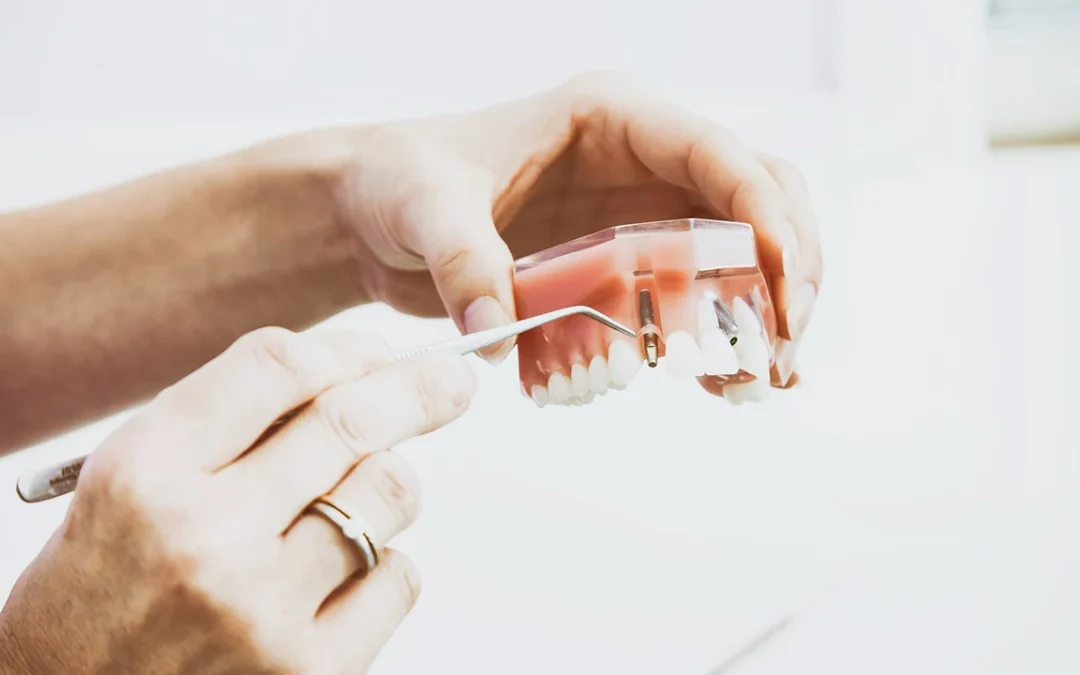
Restorative dentistry is the branch of dental care that repairs or replaces damaged and missing teeth to restore normal function and appearance. It covers everything from a small filling to a full set of implant-supported teeth, and the goal in every case is the same: return the mouth to a state where it works properly, feels comfortable, and looks natural.
Where preventative dentistry keeps problems from starting, restorative dentistry addresses what’s already happened. A cracked molar, a lost tooth, deep decay, a failed old filling — these need repair, not just monitoring, and the right restoration depends on how much tooth structure remains and what’s happened to the surrounding teeth and bone.
What Is Restorative Dentistry?
Restorative dentistry is the field focused on repairing damaged teeth and replacing missing ones. It restores three things at once: function, so you can bite and chew normally; structure, so the tooth or the space is stable long-term; and appearance, so the result blends with your natural teeth.
The field divides roughly into two categories. Direct restorations repair a tooth in a single visit, with the material placed and shaped directly in the mouth — a filling is the common example. Indirect restorations are fabricated outside the mouth and then fitted, which covers crowns, bridges, and implant-supported teeth. Which approach a situation calls for depends entirely on how much healthy tooth is left to work with.
Most restorative work also carries a preventative benefit. A cracked tooth left unrepaired invites infection and eventual loss. A missing tooth left unreplaced allows neighboring teeth to shift and the jawbone to recede. Restoring the tooth solves the immediate problem and heads off the larger ones that follow from leaving it alone.
Dental Fillings
A dental filling repairs a tooth damaged by decay or minor fracture. After removing the decayed portion, the dentist fills the cleaned-out space with a durable material that restores the tooth’s shape and function, usually in a single appointment.
Modern fillings are most often made of tooth-colored composite resin, which bonds directly to the tooth and blends with the surrounding enamel. Fillings treat the most common form of tooth damage there is, and catching decay while a filling is still enough to fix it is one of the central reasons routine exams matter.
Dental Crowns
A dental crown is a custom cap that covers a damaged tooth entirely, restoring its shape, strength, and appearance. Crowns are used when a tooth is too damaged for a filling but still has a viable root — after a root canal, following a significant fracture, or when a very large old filling has weakened the remaining structure.
Because a crown encases the entire visible portion of the tooth, it holds together a tooth that would otherwise continue to break down. Crowns are made from porcelain, ceramic, metal, or a combination, with the material chosen based on the tooth’s location and the balance of strength and appearance a given tooth needs.
Dental Bridges
A dental bridge replaces one or more missing teeth by anchoring a replacement tooth to the natural teeth on either side of the gap. The replacement tooth, called a pontic, fills the space, and crowns on the adjacent teeth hold the bridge in place.
A bridge restores the ability to chew and speak normally and prevents the remaining teeth from drifting into the empty space, which is what happens when a gap is left unaddressed. It’s a fixed restoration, meaning it stays in the mouth permanently rather than being removed for cleaning the way a partial denture is.
Root Canals
A root canal is a procedure that saves an infected or badly decayed tooth by removing the damaged pulp from inside it. Once the infected tissue is cleaned out and the interior is sealed, the tooth is typically restored with a crown to protect what remains.
The procedure has a reputation for being painful that modern technique doesn’t support — a root canal relieves the pain of an infected tooth rather than causing it, and most patients report the experience is comparable to getting a filling. The alternative to a root canal is usually losing the tooth, which is why saving it, when possible, is almost always the better outcome.
Dental Implants
A dental implant is a titanium post surgically placed in the jawbone to replace the root of a missing tooth, topped with a crown that functions as the replacement tooth. Implants are the most durable and natural-feeling tooth replacement available, and they’re the only option that preserves jawbone the way a natural root does.
That bone-preservation point sets implants apart. When a tooth is lost and the root isn’t replaced, the jawbone in that area begins to shrink, which over time affects neighboring teeth and facial structure. An implant stops that process because the post takes over the root’s job of stimulating the bone. Implants can replace a single tooth, several teeth, or anchor a full arch of replacement teeth.
Dentures
Dentures are removable replacements for missing teeth, available as full dentures when all teeth are missing or partial dentures when some natural teeth remain. Modern dentures are more comfortable and natural-looking than the versions many people picture, and they remain the most accessible option for replacing a full arch of teeth.
Dentures restore the ability to eat and speak and provide support to facial muscles that would otherwise sag without the underlying teeth. Their main limitation compared to implants is that they sit on top of the gums rather than anchoring into bone, so they don’t prevent the bone loss that follows tooth loss — which is why implant-supported dentures have become an increasingly popular middle ground for patients who want the stability of implants with the coverage of a denture.
How to Know Which Restoration You Need
The right restoration depends on how much healthy tooth structure remains and, when a tooth is missing entirely, on the condition of the surrounding teeth and bone.
A decayed tooth with most of its structure intact usually needs a filling. A tooth that’s badly broken down but still has a healthy root needs a crown. An infected tooth needs a root canal, followed by a crown. A missing tooth can be replaced with an implant, a bridge, or a denture, and the best choice among those depends on how many teeth are missing, the health of the jawbone, and personal priorities around cost, permanence, and whether a fixed or removable option fits better.
None of these decisions has to be made alone. A thorough exam, usually with X-rays, establishes exactly what’s happening below the surface and which options are realistic for a given tooth.
Schedule Your Visit at Tulsa Dental Center
Whether you’re dealing with a single damaged tooth or considering a full-mouth restoration, the team at Tulsa Dental Center will walk you through every option and help you choose the one that fits your mouth, your goals, and your budget.
Call (918) 446-6100, email [email protected], or contact us online. We’re located at 4824 S Union Ave, Tulsa, OK 74107.
Frequently Asked Questions About Restorative Dentistry
What is the difference between restorative and cosmetic dentistry?
Restorative dentistry repairs damage and replaces missing teeth to restore function, while cosmetic dentistry focuses primarily on improving appearance. The two overlap often — a crown restores a broken tooth and looks natural doing it — but the defining goal of restorative work is bringing back how the mouth works, not just how it looks.
How do I know if I need a filling or a crown?
It depends on how much tooth structure is damaged. A tooth with a moderate amount of decay and most of its structure intact usually needs a filling, while a tooth that’s badly broken down, cracked, or has had a root canal typically needs a crown to hold it together. A dentist determines which is appropriate after examining the tooth and reviewing X-rays.
What are my options for replacing a missing tooth?
The three main options are a dental implant, a bridge, or a denture. An implant replaces the tooth and its root and preserves jawbone, a bridge anchors a replacement tooth to the neighboring teeth, and a denture is a removable replacement. The best choice depends on how many teeth are missing, the health of the jawbone, and personal priorities around cost and permanence.
Is restorative dental work covered by insurance?
Most dental insurance plans cover a significant portion of restorative procedures like fillings, crowns, and root canals, though coverage levels vary by plan and procedure. Implants are less consistently covered. Checking the specifics of a plan before treatment is the best way to know what to expect, and many practices offer payment options for the balance.
How long do dental restorations last?
It varies by type and care. Fillings commonly last 10 years or more, crowns and bridges often 15 years or longer, and dental implants can last a lifetime with good maintenance. Longevity depends heavily on oral hygiene, regular dental visits, and habits like grinding that put extra stress on dental work.
Recent Comments