
The hours and days following a tooth extraction can feel overwhelming, especially when hunger strikes and you’re unsure what’s safe to eat. Your mouth needs time to heal, and the wrong food choices can disrupt the blood clot formation that’s essential for proper recovery. Understanding what to eat after tooth extraction makes the difference between a smooth healing process and uncomfortable complications.
Your diet during the first week after extraction plays a crucial role in preventing dry socket, reducing pain, and promoting tissue regeneration. The extraction site is essentially an open wound in your mouth, vulnerable to food particles, bacteria, and mechanical disruption from chewing.
The First 24 Hours: Immediate Post-Extraction Nutrition
The initial day after your procedure requires the most careful attention to what you consume. Your extraction site is forming a protective blood clot during these critical hours, and any disruption can lead to painful complications.
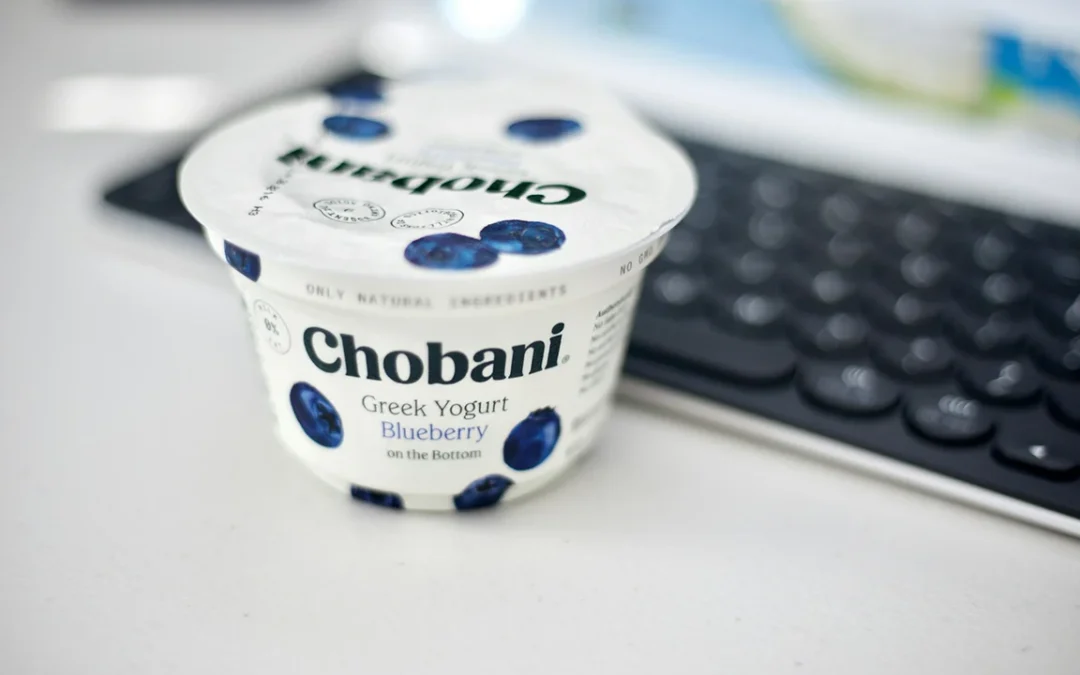
Cold, soft foods work best during this period. Ice cream, yogurt, and smoothies provide nutrition without requiring chewing motions that might dislodge the clot. The cold temperature also helps reduce swelling and provides natural pain relief. Avoid using straws for any beverages—the suction created can pull the blood clot from the socket, creating a condition known as dry socket that significantly delays healing.
Room temperature or lukewarm foods become acceptable as the day progresses. Applesauce, mashed potatoes without chunks, and pureed soups offer more substantial nutrition while remaining gentle on the extraction site. Season foods lightly and avoid anything spicy that might irritate the wound.
Days 2-3: Expanding Your Soft Food Options
As the second and third days arrive, you can gradually introduce more variety while maintaining soft textures. The blood clot should be more stable now, but the extraction site remains sensitive and prone to infection if food particles become trapped.
What to eat after tooth extraction during this phase includes:
- Scrambled eggs cooked until very soft
- Cottage cheese and similar dairy products
- Well-cooked pasta with smooth sauces
- Oatmeal or cream of wheat
- Protein shakes for nutritional support
Each meal should be approached thoughtfully. Chew on the opposite side of your mouth from the extraction, even with soft foods. Take smaller bites than usual and eat slowly, paying attention to any discomfort. If a particular food causes pain, set it aside and return to gentler options.
Protein intake becomes especially important during these days. Your body needs adequate protein to rebuild tissue and fight off potential infections. Silken tofu blended into smoothies, Greek yogurt, and protein powders mixed with milk provide essential amino acids without requiring significant chewing effort.
Days 4-7: Transitioning to Semi-Solid Foods
The middle of your first week post-extraction marks a turning point in your recovery. Most patients experience significantly reduced pain and can handle foods with slightly more texture. The extraction site begins forming new tissue, though it remains vulnerable to disruption.
Soft-cooked vegetables become viable options now. Steamed carrots, well-cooked green beans, and thoroughly softened squash provide vitamins and fiber your body needs. Avoid raw vegetables entirely—their crisp texture and fibrous structure can easily damage healing tissue or become lodged in the extraction site.
Ground meats prepared with moisture offer a return to more substantial meals. Turkey or chicken cooked in broths, fish that flakes easily, and finely ground beef in soft sauces all work well. These proteins support the continued healing process while giving you more satisfying meal options. Cut everything into small pieces and continue favoring the unaffected side of your mouth.
Foods to Strictly Avoid During Recovery
Certain foods pose specific risks to your healing extraction site and should be completely eliminated from your diet until full recovery occurs. These items can cause immediate complications or significantly extend your healing timeline.
Hard foods rank among the most dangerous options. Nuts, chips, popcorn, hard candies, and crusty breads can crack healing tissue, dislodge protective clots, or become painfully wedged in the extraction socket. Even foods that seem manageable, like crackers or toast, carry pieces that can break off and irritate the wound.
Sticky foods present another category of concern. Caramel, taffy, gummy candies, and even peanut butter can adhere to the extraction site, pulling on delicate tissue and introducing bacteria. These substances are difficult to remove completely, even with gentle rinsing, and create environments where infection can develop.
Spicy and acidic items irritate healing tissue chemically. Hot sauces, citrus fruits, tomato-based products, and vinegar-heavy foods cause burning sensations and may slow the healing process. Your extraction site lacks the protective barrier of intact gum tissue, making it especially susceptible to chemical irritation.
The Temperature Factor in Post-Extraction Eating
Temperature control matters more than many patients realize when considering what to eat after tooth extraction. Extreme temperatures affect blood flow to the area and can intensify discomfort or cause complications.
Very hot foods and beverages should be avoided for at least the first week. Heat increases blood flow to the extraction site, potentially dissolving the protective clot or causing renewed bleeding. It also heightens sensitivity in the surrounding teeth and gums. Let soups, tea, and coffee cool to lukewarm temperatures before consuming them.
Cold foods serve a therapeutic purpose during the initial recovery phase but should be consumed thoughtfully. While cold reduces swelling and numbs pain, extremely cold items can cause sharp sensitivity in nearby teeth. Moderate coolness provides the best balance—think chilled yogurt rather than frozen treats straight from the freezer after the first day.
Nutritional Considerations for Optimal Healing
Your body requires specific nutrients to rebuild tissue and fight infection during the recovery period. Planning what to eat after tooth extraction should include attention to these nutritional needs, not just texture considerations.
Vitamin C supports collagen formation, which is essential for wound healing. Smoothies made with strawberries, mangoes, or papaya provide this nutrient in a tooth-friendly form. Avoid citrus fruits due to their acidity, but incorporate other vitamin C sources into pureed or blended preparations. Supplementation may be appropriate if you struggle to consume adequate amounts through soft foods alone.
Protein requirements increase during healing periods. Your body uses amino acids to construct new tissue and produce immune system components. Aim for protein-rich options at each meal—Greek yogurt at breakfast, protein shakes as snacks, pureed legumes at lunch, and soft fish or eggs at dinner. The recommended daily protein intake increases by approximately 20-30% during active wound healing.
Zinc plays a crucial role in tissue repair and immune function. Pumpkin seeds ground into powder and added to smoothies, well-cooked lentils, and certain fortified cereals provide this mineral. Many patients overlook zinc during recovery, yet research consistently shows its importance in reducing healing time and preventing complications.
Hydration and Beverage Choices
Maintaining adequate hydration supports every aspect of the healing process. Saliva production, nutrient delivery to tissues, and toxin removal all depend on sufficient fluid intake. However, how you consume beverages matters as much as what you drink.
Water should form the foundation of your fluid intake. Room temperature water causes less sensitivity than cold water and can be consumed freely throughout the day. Sip slowly rather than gulping, and avoid swishing water around your mouth aggressively—gentle rinsing is acceptable after the first 24 hours, but vigorous swishing can disrupt healing.
Herbal teas offer additional benefits beyond hydration. Chamomile tea has mild anti-inflammatory properties, while ginger tea may help with any nausea from pain medications. Ensure all teas are caffeine-free and have cooled to a comfortable temperature. Add honey for sweetness and additional wound-healing properties, avoiding refined sugars that can promote bacterial growth.
Beverages to eliminate from your routine include alcohol, carbonated drinks, and anything consumed through a straw. Alcohol interferes with blood clotting and interacts negatively with pain medications. Carbonation creates pressure changes in your mouth that can affect the extraction site. Straws, as mentioned earlier, create suction that can dislodge the protective blood clot.
Managing Discomfort While Eating
Even with careful food selection, some discomfort during meals is normal in the first few days. Strategies exist to minimize this discomfort while ensuring adequate nutrition.
Take your prescribed pain medication 30-45 minutes before mealtimes. This allows the medication to reach peak effectiveness when you need it most. Eating with reduced pain makes the experience more pleasant and helps ensure you consume adequate calories and nutrients for healing.
Position food carefully in your mouth. Use your tongue to guide soft foods away from the extraction site, placing them on the opposite side for any necessary chewing. Small bites reduce the risk of accidentally irritating the healing area and make it easier to maintain this positioning throughout the meal.
If you experience increased pain with certain textures or temperatures, respect these signals. Your body provides valuable feedback about what it can tolerate at each stage of recovery. Returning to gentler food options for another day or two is preferable to pushing through pain that may indicate you’re not ready for that particular item.
Week Two and Beyond: Returning to Normal Eating
The second week typically brings significant improvement in comfort and healing progress. Most extraction sites show substantial tissue regeneration by day 10-14, though complete healing takes several weeks to months depending on the complexity of your extraction.
Gradually reintroduce foods with more texture during this period. Start with softer versions of regular foods—well-cooked chicken instead of ground meat, tender cooked vegetables before raw ones, and soft breads before crusty varieties. This staged approach allows you to identify any lingering sensitivities without causing setbacks in your healing.
Crunchy foods should be among the last items reintroduced. Even after two weeks, hard or sharp-edged foods can irritate the healing site if not fully closed. Wait until your dentist confirms that the extraction site has healed adequately before eating nuts, chips, raw vegetables, or similarly challenging items.
Continue monitoring the extraction site even as you return to normal eating. Occasional tenderness is expected for several weeks, but increasing pain, foul taste, or visible problems require immediate attention from your dentist. Some patients experience delayed healing or minor complications that need professional intervention.
Special Considerations for Multiple Extractions
Patients who had multiple teeth extracted or underwent wisdom teeth removal face additional challenges in planning what to eat after tooth extraction. Multiple sites mean less available space for comfortable chewing and increased overall sensitivity.
The timeline for recovery extends with multiple extractions. While a single tooth extraction might allow you to resume most foods within 7-10 days, multiple extraction sites often require 2-3 weeks of careful dietary management. Each site must heal adequately before you can safely chew on that area.
Bilateral extractions—having teeth removed from both sides of your mouth—create the most significant dietary challenges. You lack a comfortable chewing side and must rely almost entirely on foods requiring minimal to no chewing. Liquid nutrition becomes especially important in these cases. High-calorie smoothies, protein shakes, and pureed soups help maintain your caloric intake when chewing is essentially impossible.
Signs Your Diet May Be Affecting Healing
Understanding what to eat after tooth extraction includes recognizing signs that your food choices may be hindering recovery. Certain symptoms suggest dietary adjustments are necessary.
Persistent pain that worsens after eating indicates that food particles are irritating the site or that you’re attempting to chew too aggressively. Return to softer options and focus on thorough but gentle rinsing after meals. Pain should gradually decrease over time—any increase or plateau suggests a problem.
A foul taste or odor from the extraction site often means food debris has become trapped in the socket. This situation can lead to infection if not addressed. Improve your post-meal rinsing routine and ensure you’re avoiding sticky or particulate foods that can lodge in the healing area. Contact your dentist if the taste persists despite these measures.
Bleeding that resumes after the first day typically results from mechanical disruption of the healing site. This might occur from eating foods that are too hard, chewing on the affected side, or drinking through a straws. Modify your eating habits immediately and contact your dentist if bleeding continues or seems excessive.
Creating a Meal Plan for Recovery
Planning your meals in advance removes the stress of deciding what to eat after tooth extraction when you’re uncomfortable and hungry. A structured approach ensures you maintain adequate nutrition throughout the healing process.
Stock your kitchen before the procedure. Having appropriate foods readily available prevents the temptation to eat something inappropriate because it’s convenient. Essential items include Greek yogurt, protein powder, eggs, soft-cooked pasta, canned soups, applesauce, mashed potato flakes, ice cream, and frozen fruit for smoothies.
Prepare some meals in advance when possible. Pureed soups can be made in large batches and frozen in individual portions. Hard-boiled eggs store well and can be mashed easily when needed. Having these items ready eliminates cooking requirements during the first few days when you feel worst.
Plan for five to six small meals rather than three large ones. Eating smaller amounts more frequently makes the process less tiring and helps maintain steady energy levels. It also reduces the time food spends in your mouth during each eating session, minimizing irritation to the extraction site.
Long-Term Dietary Habits for Oral Health
The experience of managing what to eat after tooth extraction often inspires patients to reconsider their overall dietary habits and oral health. The foods that support extraction healing also promote general dental wellness.
Reducing sugar intake benefits your remaining teeth and any future dental work. The careful eating required during recovery demonstrates how food choices directly impact oral health. Many patients report continuing with less sugar, fewer acidic beverages, and more nutritious foods after experiencing how diet affects healing.
Regular protein consumption supports not just wound healing but ongoing gum health. The tissues in your mouth continuously regenerate, and adequate protein ensures this process occurs optimally. The protein-rich diet you maintain during extraction recovery can serve as a model for long-term eating patterns that support dental health.
Crunchy vegetables and fruits, once safe to resume eating, actually benefit your teeth through their natural cleaning action. The same texture that must be avoided during healing helps remove plaque and stimulate gums during normal health. This illustrates the importance of timing food choices appropriately rather than eliminating them entirely.
When to Contact Your Dentist
Certain situations require professional evaluation regardless of how carefully you manage what to eat after tooth extraction. Recognizing these warning signs ensures prompt treatment if complications develop.
Severe pain that doesn’t respond to prescribed medication may indicate dry socket or infection. This pain typically begins 3-4 days after extraction and feels significantly worse than the immediate post-procedure discomfort. It often radiates to your ear or eye on the affected side.
Fever above 101°F suggests infection. While mild temperature elevation is normal in the first 24 hours, sustained fever indicates your body is fighting an infection that may require antibiotics. Combined with increasing pain, swelling, or discharge from the extraction site, fever demands immediate attention.
Difficulty swallowing or breathing represents a dental emergency. Severe swelling can compress your airway, particularly after lower wisdom tooth extraction. Any breathing difficulty requires immediate emergency care, not just a call to your dentist.
Your Path to Comfortable Recovery
Understanding what to eat after tooth extraction empowers you to take an active role in your recovery. The dietary restrictions feel significant initially, but they’re temporary measures that dramatically improve your healing outcome.
Each day brings progress toward normal eating and reduced discomfort. The soft foods and careful eating habits you maintain during the first week create the foundation for successful healing. By the second week, most patients experience substantial improvement and can gradually reintroduce their regular diet.
Your commitment to appropriate food choices during this recovery period pays dividends in the form of reduced pain, fewer complications, and faster healing. The extraction site that seems so vulnerable today will become fully healed tissue that functions normally within a few weeks.
Schedule Your Dental Care at Tulsa Dental Center
Whether you need a tooth extraction or want to discuss options to preserve your natural teeth, Tulsa Dental Center provides compassionate, expert care in a comfortable environment. Dr. Joanna K Roulston and her team prioritize your comfort throughout every procedure and recovery process.
Our experienced staff ensures you have detailed post-operative instructions, including nutritional guidance tailored to your specific situation. We’re available to answer questions during your recovery and address any concerns that arise.
Contact Tulsa Dental Center at (918) 446-6100 to schedule your appointment or discuss your dental health needs. Visit us at 4824 S Union Ave, Tulsa, OK 74107, or email info@tulsadentalcenter.com. We’re committed to helping you maintain optimal oral health with personalized attention and expert care.
Recent Comments