
Missing teeth can dramatically impact your confidence, oral health, and overall quality of life. Dental implants have revolutionized tooth replacement, offering a permanent solution that looks, feels, and functions like natural teeth.
But how long do dental implants last, and what can you expect from this significant investment in your oral health?
The Expected Lifespan of Dental Implants
Dental implants are designed to be a permanent tooth replacement solution. With proper care and maintenance, high-quality dental implants can last 25 years or even a lifetime. Studies consistently show success rates of 95-98% over 10-year periods, making implants one of the most reliable dental treatments available.
The titanium implant post, which serves as the artificial tooth root, typically remains stable indefinitely once properly integrated with your jawbone. However, the crown (visible tooth portion) may need replacement after 15-20 years due to normal wear and tear.
Key factors influencing implant longevity include:
- Quality of initial placement
- Patient’s overall health
- Oral hygiene habits
- Regular dental maintenance
- Lifestyle choices
What Affects How Long Dental Implants Last?
Several critical factors determine whether your dental implants will reach their full potential lifespan. Understanding these variables helps you make informed decisions and take appropriate steps to protect your investment.
Your overall health plays a fundamental role in implant success. Conditions like diabetes, osteoporosis, or autoimmune disorders can affect how well your body heals and maintains the implant. Smoking significantly reduces implant longevity by restricting blood flow and impairing healing processes.
The quality of your jawbone also matters tremendously. Sufficient bone density and volume provide the stable foundation implants need for long-term success. Patients who have experienced significant bone loss may require additional procedures like bone grafting to ensure optimal implant placement.
Professional placement technique cannot be overstated in importance. Experienced implant dentists understand proper positioning, torque specifications, and healing protocols that maximize long-term success rates.
Maximizing Your Dental Implant Investment
Proper maintenance extends implant lifespan significantly beyond average expectations. Daily oral hygiene requires the same attention you’d give natural teeth, but with specialized considerations for implant care.
Brushing twice daily with a soft-bristled toothbrush protects both the implant crown and surrounding gum tissue. Flossing around implants requires special technique and tools to clean beneath the crown without damaging delicate tissues.
Regular professional cleanings every six months allow your dental team to monitor implant health and address potential issues before they become serious problems. Professional maintenance includes specialized cleaning techniques that remove plaque and bacteria from areas you can’t reach at home.
Lifestyle modifications that protect implants:
- Avoiding hard foods that could crack crowns
- Using night guards if you grind your teeth
- Quitting smoking or tobacco use
- Managing underlying health conditions
- Staying hydrated to maintain healthy saliva flow
Signs Your Implants Need Professional Attention
Recognizing early warning signs helps preserve implant longevity and prevents costly complications. While implants don’t develop cavities like natural teeth, they remain susceptible to gum disease and mechanical issues.
Persistent bleeding or swelling around the implant site requires immediate professional evaluation. These symptoms often indicate peri-implantitis, a serious condition that can threaten implant stability if left untreated.
Changes in how your implant feels when biting or chewing may signal loose components or crown damage. Any mobility or shifting sensations warrant prompt dental examination to prevent further complications.
Pain around a previously comfortable implant should never be ignored. While some discomfort immediately following placement is normal, established implants should remain completely pain-free during normal function.
The Role of Regular Dental Visits
Professional monitoring represents your best defense against implant complications. Regular examinations allow your dental team to assess implant stability, monitor surrounding tissue health, and identify potential problems in their earliest stages.
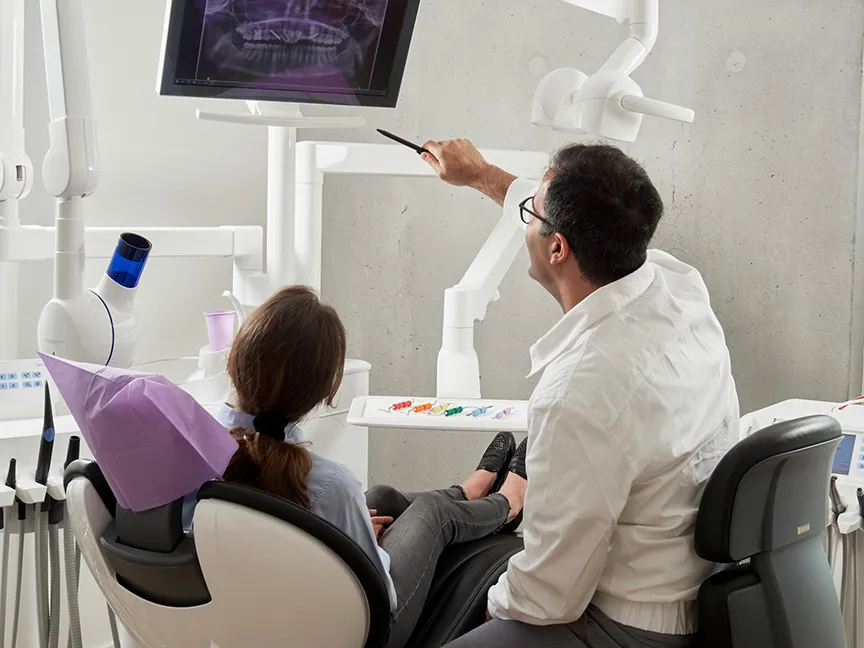
Digital imaging during routine visits provides detailed views of bone levels around implants. Gradual bone loss, while sometimes normal, requires monitoring to ensure it doesn’t progress to threatening levels.
Your dental professional can also evaluate crown condition and bite alignment changes that might affect implant longevity. Minor adjustments made proactively prevent major problems that could compromise your entire implant investment.
Comparing Implant Longevity to Other Options
Understanding how dental implants compare to alternative tooth replacement options puts their longevity into perspective. Traditional dental bridges typically last 10-15 years before requiring replacement, while partial or complete dentures may need replacement every 5-7 years.
The initial investment in dental implants often proves more economical over time when considering replacement costs and ongoing maintenance requirements of alternative treatments. Implants also preserve surrounding bone structure and don’t require modification of adjacent healthy teeth.
Quality of life improvements with implants often exceed those provided by removable options. Patients report greater confidence, improved nutrition, and enhanced social interactions when choosing implant treatment over conventional alternatives.
Take the Next Step Toward Permanent Tooth Replacement
Understanding how long dental implants last empowers you to make confident decisions about your oral health future. With proper care and professional guidance, dental implants offer decades of reliable function and natural-looking results.
At Tulsa Dental Center, Dr. Joanna Roulston and her experienced team provide comprehensive implant services designed to maximize longevity and patient satisfaction. From initial consultation through long-term maintenance, our commitment to excellence ensures your implant investment delivers lasting value.
Ready to learn more about dental implants and whether they’re right for you? Contact Tulsa Dental Center at (918) 446-6100 to schedule your consultation and take the first step toward permanent tooth replacement that can last a lifetime.
See Related: 5 Signs That You Need Dental Implants
Recent Comments