
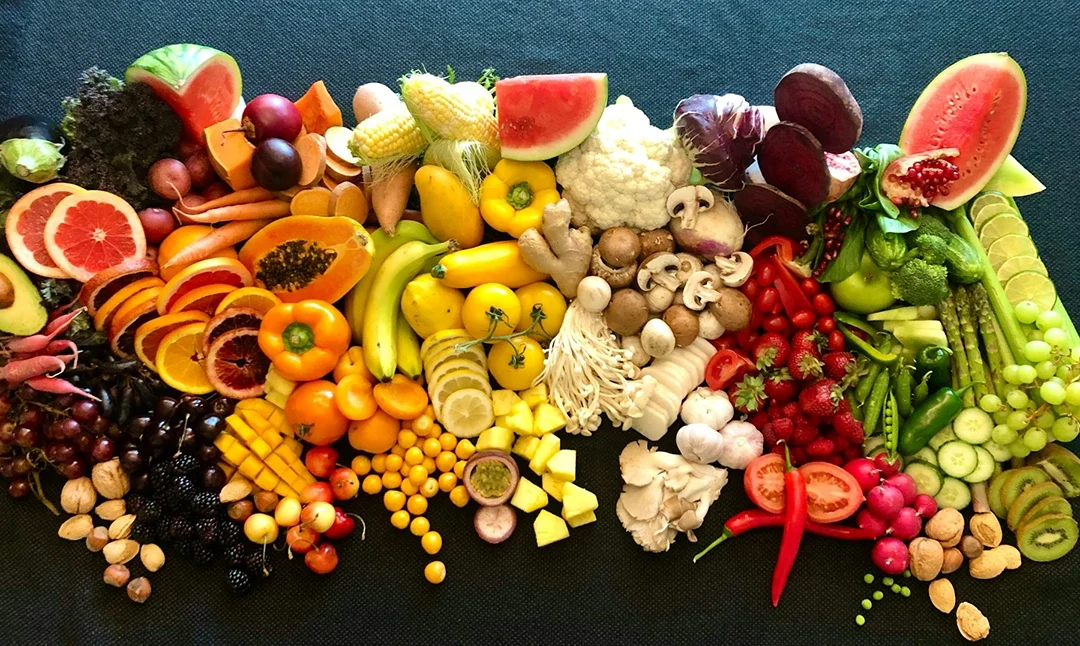
Your mouth is the first point of contact for everything you eat and drink, which makes diet one of the most direct influences on your dental health. Long before food reaches your stomach, it’s already interacting with tooth enamel, gum tissue, and the bacteria that live in your mouth. Oral health and nutrition are connected in ways that go well beyond “sugar causes cavities.”
What you eat affects your teeth on three levels: how it feeds or starves harmful bacteria, how it wears down or strengthens enamel, and how it supports or undermines the structures that hold your teeth in place.
Foods and Drinks That Damage Teeth
Some foods cause harm through decay, others through direct physical damage, and the worst offenders manage to do both. Hard foods like popcorn kernels, ice, and fruit pits can crack or chip a tooth outright. Sticky foods like dried fruit and chewy candy cling to tooth surfaces and can pull at fillings or crowns. Foods that lodge between teeth — popcorn is the classic example — create irritation and a foothold for bacteria if they aren’t cleared out.
Drinks carry their own risks. Coffee and red wine stain enamel over time. Soda is a double threat, combining high sugar content with significant acidity. Alcohol reduces saliva flow, which leaves the mouth more vulnerable to both decay and gum irritation for as long as the dehydrating effect lasts.
Beyond decay, hard and sticky foods are some of the most common foods that damage teeth outright — cracking enamel and pulling out fillings, turning a snack into an unplanned trip to the dentist.
Sugar and Tooth Decay
Sugar doesn’t damage teeth directly. The bacteria in your mouth feed on it and produce acid as a byproduct, and that acid is what attacks enamel. Streptococcus mutans, the primary bacteria responsible for tooth decay, thrives on the simple sugars found in candy, soda, and processed snacks.
Frequency matters more than total quantity. Eating a piece of cake once and brushing afterward does less damage than sipping a sugary drink across an entire afternoon. Each exposure triggers a fresh acid attack, and saliva needs roughly 20 to 30 minutes to neutralize it. Constant grazing on sugary food or drink keeps your mouth in a near-continuous acidic state, which is when real damage accumulates.
Timing matters as much as choice. Eating sweets with a meal rather than as a standalone snack reduces the damage, since increased saliva production during meals helps wash away sugar and buffer acid more effectively.
Acidic Foods and Enamel Erosion
Sugar isn’t the only threat. Citrus fruits, vinegar-based dressings, wine, and sparkling water are all acidic enough to soften and erode enamel directly — no bacterial fermentation required. Once enamel wears away, it doesn’t come back. The body has no mechanism to regenerate it.
A few patterns make this worse than it needs to be. Sipping acidic drinks slowly over a long period extends the exposure time. Brushing immediately after consuming something acidic can actually accelerate erosion, since the enamel is temporarily softened and more vulnerable to abrasion. Waiting 30 minutes before brushing gives saliva time to neutralize the acid first.
None of this means citrus or wine need to be eliminated. Drinking water afterward, using a straw for acidic beverages, and avoiding the immediate post-acid brush are simple adjustments that meaningfully reduce the damage.
Foods and Drinks That Benefit Teeth
Teeth and the bone that supports them are living tissue, and like the rest of the body, they depend on specific nutrients to stay strong.
- Calcium — found in dairy, leafy greens, and almonds — is the primary mineral in both enamel and the jawbone.
- Vitamin D allows the body to absorb that calcium; without it, calcium intake doesn’t translate into stronger teeth.
- Phosphorus, present in eggs, fish, and meat, works alongside calcium to remineralize enamel.
- Vitamin C supports gum tissue health and collagen production, and deficiency has historically been linked to gum disease and tooth loss.
Foods that require real chewing — apples, carrots, celery — do more than just provide nutrients. The mechanical action stimulates saliva production, and saliva is the mouth’s built-in defense system. It neutralizes acid, washes away food particles, and contains minerals that help remineralize early enamel damage.
Water rounds out the list as the single best beverage choice for oral health, particularly fluoridated water, which delivers cavity-fighting protection with every glass. It has no sugar, no acid, and actively supports the saliva production these foods are already encouraging.
Building a Tooth-Friendly Plate
A few patterns consistently support better oral health outcomes:
- Dairy or calcium-fortified alternatives at most meals
- Leafy greens and crunchy vegetables as regular staples
- Lean protein sources for phosphorus and tissue repair
- Limited between-meal snacking, especially on anything sugary or starchy
- Water as the default beverage, with sugary or acidic drinks reserved for mealtimes
None of this requires a dramatically restrictive diet. Most of these changes are about shifting timing and frequency rather than eliminating entire food categories.
Schedule Your Visit at Tulsa Dental Center
Diet plays a major role in oral health, but it works alongside — not instead of — professional care. The team at Tulsa Dental Center can assess how your current habits are affecting your teeth and help you build a plan that actually fits your life.
Call (918) 446-6100, email [email protected], or contact us online. We’re located at 4824 S Union Ave, Tulsa, OK 74107.
Frequently Asked Questions About Oral Health and Nutrition
How are oral health and nutrition connected?
Oral health and nutrition are connected primarily through sugar and acid exposure, which feed decay-causing bacteria and erode enamel directly. The connection also runs through nutrient intake — calcium, vitamin D, phosphorus, and vitamin C all play direct roles in maintaining strong teeth and healthy gum tissue.
What foods are bad for your teeth?
Sugary candy, soda, and other sweets are the most obvious offenders, but acidic foods and drinks — citrus fruits, wine, vinegar-based dressings, and sparkling water — cause real damage too, even without any sugar involved. Sticky foods like dried fruit and starchy snacks that linger on tooth surfaces also contribute to decay.
What foods are good for your teeth?
Dairy products, leafy greens, and nuts support tooth and bone strength through calcium and phosphorus. Crunchy fruits and vegetables like apples and carrots stimulate saliva production, which helps clean the mouth naturally. Lean proteins and foods rich in vitamin C support gum health and tissue repair.
Can diet alone prevent cavities?
No. Diet significantly influences cavity risk, but it doesn’t replace brushing, flossing, and regular dental visits. Even a tooth-friendly diet can’t remove plaque mechanically, and tartar that has already formed requires professional cleaning regardless of what you eat.
How long after eating sugar should you wait to brush?
Roughly 20 to 30 minutes. Brushing immediately after eating something sugary or acidic can spread the acid around the mouth before saliva has had a chance to neutralize it, and in the case of acidic foods, can abrade enamel that’s temporarily softened. Rinsing with water in the meantime helps in the interim.
Recent Comments