
Gum disease affects nearly half of all American adults over 30, yet many don’t realize they have it until significant damage has occurred. The question on most minds after diagnosis is simple: can you reverse gum disease? The answer depends entirely on how far the condition has progressed and how quickly you take action.
Understanding the Stages of Gum Disease
Gum disease doesn’t happen overnight. It develops in stages, and your ability to reverse it depends on catching it early.
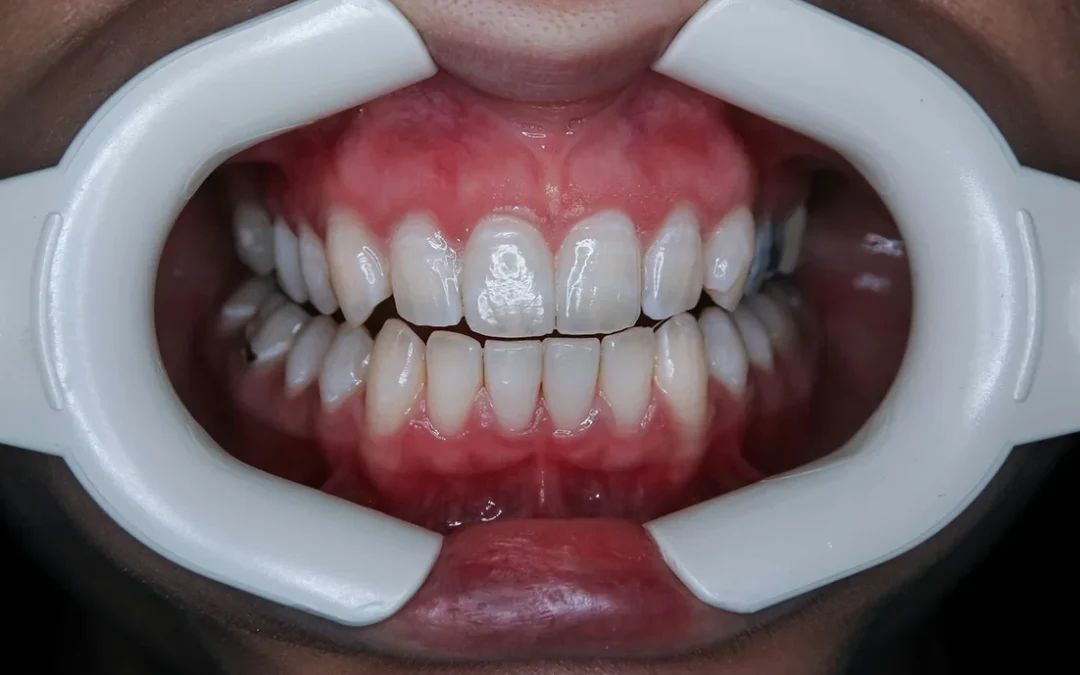
Gingivitis represents the earliest stage. At this point, bacteria-filled plaque irritates your gums, causing inflammation, redness, and bleeding when you brush or floss. The good news? Gingivitis is completely reversible with proper care because it hasn’t yet damaged the bone and tissue that hold your teeth in place.
Periodontitis is where things get serious. Once gum disease advances to this stage, the inner layer of the gum and bone pull away from the teeth, forming pockets that become infected. The body’s immune system fights the bacteria as plaque spreads below the gum line, but this battle between bacterial toxins and the body’s natural defenses actually breaks down the bone and connective tissue. At this advanced stage, the damage becomes permanent.
The critical window for reversal exists only in that first stage. Once periodontitis sets in, you can manage the disease and prevent further damage, but you cannot fully reverse what’s been lost.
Signs Your Gums Need Immediate Attention
Most people miss the early warning signs because gingivitis often develops without pain. Your gums might bleed when you brush, but many dismiss this as normal or blame their toothbrush.
Watch for these symptoms:
- Gums that appear red, swollen, or tender to the touch
- Persistent bad breath that doesn’t improve with brushing
- Gums that have pulled away from your teeth
- Loose teeth or changes in how your teeth fit together when you bite
- Pus appearing between teeth and gums
Any bleeding from your gums should raise concern. Healthy gums don’t bleed from normal brushing and flossing. Think of it like this: your skin doesn’t bleed when you wash your hands, and neither should your gums when you clean your teeth.
How to Reverse Early-Stage Gum Disease at Home
Can you reverse gum disease without professional help? If you’ve caught gingivitis early enough, yes. The key lies in eliminating the plaque buildup that’s causing the inflammation.
Proper brushing technique matters more than most people realize. You need to brush for a full two minutes, twice daily, using gentle circular motions. The bristles should meet your gum line at a 45-degree angle, allowing you to clean both the tooth surface and just below the gum line where bacteria accumulate. Many people brush too hard, thinking more pressure equals cleaner teeth, but aggressive brushing actually damages gum tissue and makes the problem worse.
Flossing becomes non-negotiable. Brushing alone only cleans about 60% of your tooth surfaces. The remaining 40% between your teeth harbors the bacteria that cause gum disease. Daily flossing removes plaque from these hidden spaces before it hardens into tartar.
Antimicrobial mouthwash adds another layer of protection. Look for products containing chlorhexidine or essential oils, which research shows can reduce plaque and gingivitis when used alongside brushing and flossing. Swish for 30 seconds after brushing to reach areas your toothbrush might have missed.
Consistency determines success. You can’t floss for a week and expect permanent results. Early gum disease reversal requires maintaining these habits daily for several weeks before you’ll see improvement.
Professional Treatments That Stop Progression
Even with excellent home care, most people with gingivitis benefit from professional cleaning to remove hardened tartar that brushing can’t eliminate. Your dental hygienist uses specialized instruments to scale away buildup above and below the gum line, then polishes your teeth to make it harder for new plaque to stick.
For cases approaching or entering early periodontitis, your dentist might recommend scaling and root planing. This deep cleaning procedure involves numbing your gums and cleaning beneath them to remove bacteria from the tooth roots. The roots are then smoothed to help your gums reattach to your teeth. While this doesn’t technically reverse bone loss that’s already occurred, it stops the disease from progressing and allows your gums to heal.
Some dental practices incorporate laser therapy to remove diseased tissue and bacteria. The laser targets infected areas with precision, promoting faster healing and less discomfort than traditional methods. Studies indicate laser treatment can be particularly effective when combined with scaling and root planing.
Lifestyle Changes That Support Gum Health
Your daily habits play a significant role in whether gum disease develops, progresses, or improves. Smoking ranks as the single most significant risk factor for gum disease. Tobacco use impairs blood flow to your gums, making it harder for them to heal and fight infection. People who smoke are twice as likely to develop gum disease compared to nonsmokers, and treatments are less effective for smokers.
Nutrition affects your gum health more than you might expect. Vitamin C deficiency weakens your immune system and makes your gums more vulnerable to infection. Vitamin D helps reduce inflammation and supports bone health. A diet rich in fruits, vegetables, lean proteins, and whole grains provides the nutrients your gums need to stay healthy and repair themselves.
Managing stress matters because chronic stress weakens your immune system’s ability to fight the bacteria that cause gum disease. When you’re stressed, your body produces more cortisol, which increases inflammation throughout your body, including your gums. Finding effective stress management techniques—whether through exercise, meditation, or hobbies—supports your overall oral health.
When Reversal Isn’t Possible: Managing Advanced Gum Disease
Can you reverse gum disease once it’s reached the periodontitis stage? Unfortunately, no. Advanced gum disease causes permanent damage to the bone and tissues supporting your teeth. However, this doesn’t mean you’re powerless.
Treatment at this stage focuses on controlling the infection and preventing further destruction. Options include more frequent professional cleanings, prescription antimicrobial medications, and potentially surgical procedures to reduce pocket depth and regenerate lost bone where possible. The goal shifts from reversal to management—keeping the disease stable so you can retain your natural teeth.
Without treatment, advanced periodontitis leads to tooth loss. The bone supporting your teeth continues to deteriorate until teeth become so loose they fall out or require extraction. This progression isn’t inevitable. With proper professional care and diligent home maintenance, you can live with controlled periodontitis for decades without losing teeth.
Take Action Before It’s Too Late
The window for reversing gum disease closes quickly. What starts as minor gum irritation can progress to permanent damage within months if left untreated. The earlier you catch the signs, the simpler and more effective your treatment options become.
Don’t wait for pain to signal a problem. Gum disease often advances silently, causing irreversible damage before you realize anything is wrong. If you’ve noticed any signs of gum problems, or if it’s been more than six months since your last dental cleaning, taking action now could save your smile.
Ready to protect your gum health? Contact Tulsa Dental Center at (918) 446-6100 or email appointments@tulsadentalcenter.com to schedule a comprehensive gum health evaluation. Dr. Roulston and her team provide personalized treatment plans to help you maintain healthy gums for life.
Recent Comments