
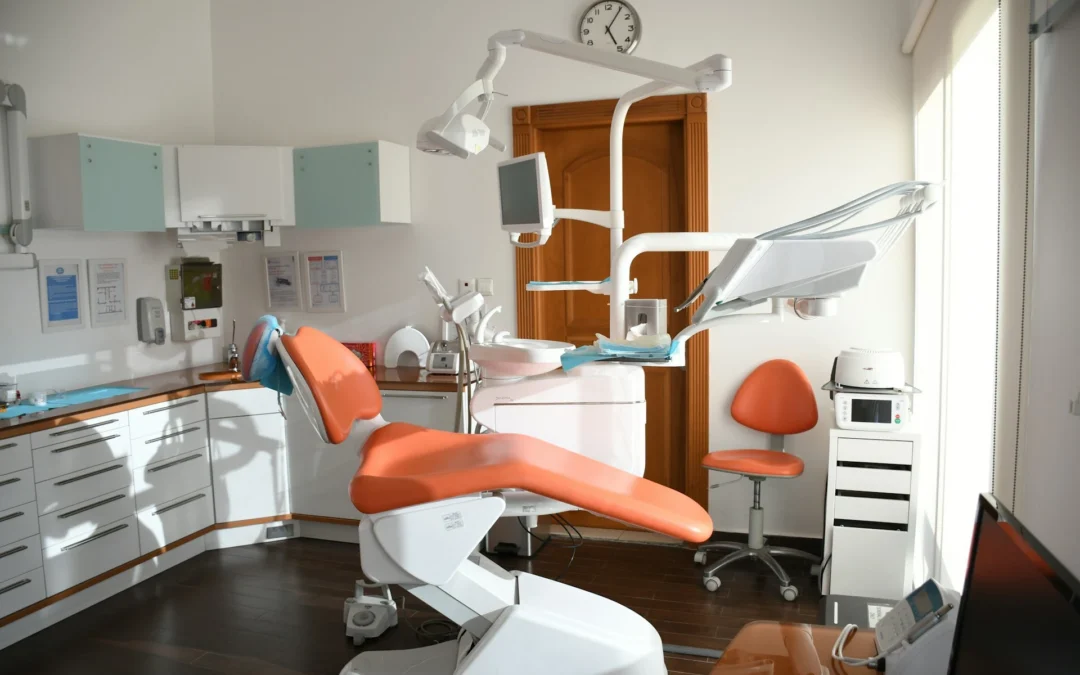
Most dental problems don’t happen overnight. Cavities, gum disease, enamel erosion — these develop slowly, over months or years, and they almost always give warning signs before they become serious. Preventative dental care is about catching those signs early, building habits that slow or stop damage before it starts, and keeping your teeth healthy for life.
It’s also the most cost-effective approach to dentistry by a wide margin. A cleaning costs a fraction of what a root canal costs. A fluoride treatment costs nothing close to a crown. The math on preventative care is straightforward: the less you skip, the less you’ll eventually spend.
What Preventative Dentistry Actually Covers
Preventative dentistry isn’t just cleanings. It’s a combination of what happens in the dental chair and what you do every day at home.
On the clinical side, it includes:
- Routine checkups and professional cleanings
- Dental X-rays to catch problems not visible to the naked eye
- Oral cancer screenings
- Fluoride treatments
- Dental sealants for cavity-prone patients
- Periodontal evaluations to monitor gum health
On the home side, it includes brushing, flossing, diet choices, and the habits you either protect or undermine your teeth with every day. Neither side works as well without the other.
How Often You Actually Need to Come In
Twice a year is the standard recommendation for most adults. Professional cleanings remove tartar buildup that brushing and flossing can’t touch, and regular exams give your dentist the chance to catch problems while they’re still minor.
That said, not everyone fits the same schedule. Patients with gum disease, a history of frequent cavities, diabetes, or dry mouth caused by medications may need to come in more often — every three to four months in some cases. Others with excellent oral health and low risk factors may do fine on a once-a-year schedule.
How often you should go to the dentist depends on your individual risk profile — something Dr. Roulston will assess and discuss with you at your visit.
What Happens During a Dental Checkup?
Routine exams cover a lot more than most patients expect. During a checkup, your dentist isn’t just checking for cavities. She’s evaluating your gum tissue, looking for early signs of oral cancer, assessing your bite and jaw function, checking existing restorations for wear or failure, and reviewing your X-rays for issues developing below the surface.
The cleaning portion — performed by a dental hygienist — removes plaque and tartar from areas your toothbrush doesn’t reach, polishes the tooth surface, and often includes a flossing demonstration or personalized hygiene guidance based on what they observe.
The Home Hygiene Basics — Done Right
Brushing
The baseline is two minutes, twice a day, with a soft-bristled brush — and technique matters as much as frequency. Angling the brush at 45 degrees toward the gumline, using gentle circular or short back-and-forth strokes, and not pressing so hard you wear down the gum tissue over time.
Electric toothbrushes consistently outperform manual brushing for most patients. They do more of the mechanical work for you and are especially helpful for anyone with limited dexterity.
Flossing
Flossing once a day cleans the surfaces between teeth that a toothbrush simply can’t reach. How often you should floss has a straightforward answer — daily — but technique matters just as much. The goal is to curve the floss around each tooth in a C-shape and slide it gently below the gumline, not just snap it between teeth and call it done.
If traditional floss is difficult to manage, floss picks, water flossers, and interdental brushes are all legitimate alternatives. The best tool is whichever one you’ll actually use consistently.
Mouthwash
Mouthwash is a useful addition to a solid routine, but it’s not a replacement for brushing and flossing. Antibacterial rinses can reduce bacteria and help with bad breath, while fluoride rinses add an extra layer of enamel protection. Which type helps most comes down to your specific needs — worth asking about at your next visit.
Plaque, Tartar, and Why the Difference Matters
Plaque is the soft, sticky bacterial film that forms on teeth throughout the day. It’s what you remove when you brush. Left in place for 48 to 72 hours, it hardens into tartar — a calcified deposit that bonds to tooth enamel and can only be removed with professional instruments.
This distinction matters because tartar at and below the gumline is one of the primary drivers of gum disease. Once it’s there, no amount of brushing will get rid of it — which is one of the clearest arguments for why regular cleanings aren’t optional.
Fluoride: What It Does and Why Dentists Recommend It
Fluoride strengthens enamel by making it more resistant to acid attacks from bacteria and food. It can also reverse early-stage demineralization — the very beginning of cavity formation — before a cavity actually develops.
It’s found in most public water supplies, most toothpastes, and can be applied professionally during a cleaning in a higher concentration than what’s available over the counter.
How Your Diet Affects Your Teeth
Sugar is the most obvious culprit, but the relationship between diet and dental health is more nuanced than “avoid sweets.” Frequency matters more than quantity — sipping a sugary drink throughout the day is far more damaging than drinking the same amount with a meal, because the acid exposure is constant rather than brief.
Acidic foods and drinks — citrus, vinegar-based dressings, sparkling water — can erode enamel over time even without sugar. Dry, crunchy foods that require significant chewing pressure can stress existing restorations. Alcohol dries out the mouth, reducing saliva flow and leaving teeth more vulnerable to bacteria.
A balanced diet with limited sugar exposure and plenty of water does more for your teeth than almost any other lifestyle factor. We’ve covered how food choices connect to dental health outcomes in more detail if you want to go deeper.
Habits That Undermine Everything Else
Some of the most common dental problems aren’t caused by neglect — they’re caused by specific habits that work quietly against your teeth over time. Five of the most damaging habits include using teeth as tools, ice chewing, nail biting, aggressive brushing, and skipping the dentist when nothing hurts.
That last one is worth addressing directly. Pain is a late-stage signal. By the time a cavity or gum problem is causing discomfort, the damage is already significant. Waiting until something hurts to come in is one of the most reliable ways to turn a simple fix into a complicated one.
What Dentists Look For Beyond Cavities
Oral Cancer
Oral cancer is screened for at every routine exam. It includes cancers of the lips, tongue, cheeks, floor of the mouth, and throat — and like most cancers, early detection makes an enormous difference in outcomes. The screening itself is quick and non-invasive, and most patients aren’t aware it’s happening.
Oral cancer screening is one of the most important things a routine dental visit provides — and one of the least talked about.
What Your Mouth Reveals About Your Overall Health
A routine dental exam can surface signs of conditions the patient didn’t know they had. Uncontrolled diabetes often shows up in gum tissue. Acid reflux erodes tooth enamel in characteristic patterns. Anemia, osteoporosis, and certain autoimmune conditions all have oral manifestations — more than most patients expect.
Oral Health and Your Body
The connection between oral health and overall health is well-established and still being studied. Gum disease in particular has documented associations with cardiovascular disease, with research suggesting the bacteria and inflammation involved may contribute to arterial damage.
For patients managing chronic conditions, the stakes are especially high:
- Diabetes and gum disease have a bidirectional relationship — each makes the other harder to control. Every diabetic patient should understand how closely the two are connected.
- Pregnancy introduces hormonal changes that increase susceptibility to gingivitis, making regular cleanings during pregnancy more important, not less.
- Medications — including antihistamines, antidepressants, blood pressure drugs, and many others — commonly cause dry mouth, which dramatically increases cavity risk and is an underappreciated factor in dental health.
The Cost Argument for Prevention
Skipping dental cleanings costs more in the long run — and not by a small margin. A routine cleaning typically runs $75–$200. A filling runs $150–$300. A root canal and crown can easily reach $2,000 or more. Dental implants to replace a lost tooth run $3,000–$5,000.
The math isn’t complicated. Prevention is cheaper at every stage.
How much a teeth cleaning costs without insurance — and what payment options are available — is something we cover for patients who are navigating dental care without coverage.
Starting Strong at Every Stage of Life
The habits you build in your 20s and 30s determine what your teeth look like in your 50s and 60s. The fundamentals aren’t complicated, but they require consistency.
Children benefit especially from early preventative care. Sealants, fluoride treatments, and early exam habits set the foundation for a lifetime of healthy teeth.
Schedule Your Next Visit at Tulsa Dental Center
Preventative care only works when it’s consistent. Dr. Joanna Roulston and the team at Tulsa Dental Center are here to make every visit as straightforward and comfortable as possible — whether that’s your first cleaning in years or a routine checkup you’ve been keeping up with all along.
Call us at (918) 446-6100, email appointments@tulsadentalcenter.com, or schedule online. We’re located at 4824 S Union Ave, Tulsa, OK 74107.
Frequently Asked Questions About Preventative Dentistry
What is preventative dentistry?
Preventative dentistry is the branch of dental care focused on maintaining oral health and stopping problems before they start. It combines professional care — cleanings, exams, X-rays, and screenings — with the daily habits patients practice at home, like brushing, flossing, and diet choices. The goal is to protect your natural teeth and catch any issues early, when they’re still minor and far less expensive to address.
What is the goal of preventative dentistry?
The primary goal is to keep your teeth and gums healthy for life. More specifically, preventative dentistry aims to stop the most common oral health problems — cavities, gum disease, and enamel erosion — from developing or progressing in the first place. It also serves a broader health purpose: because oral health is closely connected to overall health, keeping your mouth healthy helps protect the rest of your body too.
Does preventative dentistry actually make a difference?
Consistently, yes. Patients who maintain regular cleanings and checkups develop fewer cavities, experience less gum disease progression, and are far less likely to need major restorative work over time. The evidence supporting routine preventative care is about as solid as it gets in dentistry.
What if I haven’t been to the dentist in years?
You’re not alone, and there’s no judgment. The most important thing is coming in. Dr. Roulston will assess where things stand and build a plan from there — starting with whatever the most pressing needs are.
Can I do anything at home to replace professional cleanings?
No. Brushing and flossing are essential, but they can’t remove tartar once it’s formed, and they don’t give you the diagnostic picture that a professional exam provides. Home care and professional care work together — neither replaces the other.
Is fluoride safe for adults?
Yes. At the concentrations used in toothpaste, drinking water, and professional treatments, fluoride is safe and effective for patients of all ages. Concerns about fluoride safety generally stem from doses far higher than anything encountered through normal dental care.
How do I know if my gums are healthy?
Healthy gums are firm, pale pink, and don’t bleed when you brush or floss. Bleeding, swelling, redness, or tenderness are all signs worth discussing with your dentist. Bleeding gums are one of the earliest indicators of gum disease and shouldn’t be ignored.
Recent Comments