
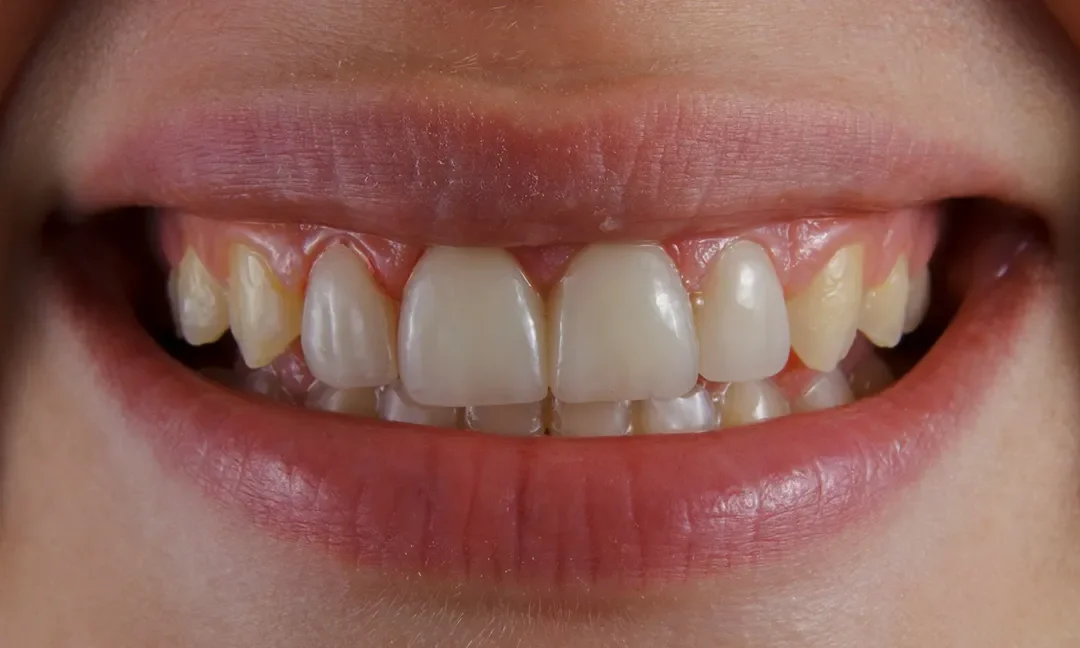
A brighter smile is one of the most requested things patients ask about — and with good reason. Tooth discoloration is incredibly common, the options for addressing it have never been more varied, and the misinformation floating around on the internet has never been more abundant. If you want to know how to whiten teeth effectively and safely, the answer starts with understanding why they yellow in the first place.
Why Teeth Turn Yellow
Tooth color isn’t static. It changes gradually over years, influenced by what you eat and drink, your oral hygiene habits, and simply the passage of time.
Surface stains — the kind left by coffee, tea, red wine, and tobacco — accumulate on the outer enamel layer. These are the most responsive to whitening treatments because they sit on the surface. Deeper discoloration is a different matter. As enamel thins naturally with age, the yellowish dentin layer beneath begins to show through more prominently. This is why aging yellow teeth often don’t respond to whitening the same way surface-stained teeth do — the color isn’t on the enamel, it’s visible through it.
Certain medications, particularly tetracycline antibiotics taken during childhood, can cause intrinsic staining that originates inside the tooth structure itself. Fluorosis — overexposure to fluoride during tooth development — can produce white spots or brownish streaks. These cases typically require cosmetic solutions beyond whitening, such as veneers or bonding.
Knowing which type of discoloration you’re dealing with is the first step toward choosing the right treatment.
How to Whiten Your Teeth at Home
The at-home whitening market is enormous, and the products range from genuinely effective to completely useless to potentially harmful. Here’s an honest breakdown.
Whitening toothpastes use mild abrasives and low concentrations of peroxide to reduce surface staining over time. They’re safe for daily use and can maintain results, but they won’t dramatically change your tooth color on their own. Think of them as maintenance, not transformation.
Over-the-counter whitening strips are more effective than toothpaste and work for mild-to-moderate surface staining. The active ingredient is typically carbamide or hydrogen peroxide at relatively low concentrations. Results are real but modest — most people see a shade or two of improvement with consistent use. Sensitivity is a common side effect, particularly for people who already have sensitive teeth.
Whitening trays from the drugstore are one-size-fits-all, which is their biggest limitation. Ill-fitting trays allow the whitening gel to contact the gums, which can cause irritation and uneven results. Custom trays from a dental office — filled with professional-strength whitening gel — are the same general concept executed far more effectively.
LED whitening kits have become popular in recent years. The light component is largely a marketing feature; the whitening is done by the peroxide gel, not the light. Don’t let the gadgetry drive the purchase decision.
What About Natural Teeth Whitening?
This is where things get murky. The internet is full of DIY whitening methods passed around as natural alternatives, and they deserve a direct assessment.
Hydrogen peroxide is actually a legitimate whitening agent — it’s the active ingredient in most professional and OTC whitening products. Using it diluted as a mouth rinse (typically 1.5% to 3%) carries some evidence of effectiveness for surface staining. The caution is concentration and frequency. Higher concentrations used too often can irritate soft tissue and, over time, affect enamel integrity. Hydrogen peroxide has a legitimate place in teeth whitening; the key word is moderation.
Baking soda is a mild abrasive that can scrub away some surface staining, and several studies have found it to be reasonably safe for enamel when used occasionally. Many commercial whitening toothpastes include it for this reason. Used sparingly as a supplement to regular brushing, it’s unlikely to cause harm. Used daily as a replacement for toothpaste, the cumulative abrasion becomes a concern.
Coconut oil pulling — swishing a tablespoon of coconut oil around your mouth for 15 to 20 minutes — gets enthusiastic coverage in wellness circles. There’s no credible clinical evidence that it whitens teeth. It’s not dangerous, but if you’re spending 20 minutes a day on oral health, there are approaches with a much better return.
Activated charcoal deserves a mention for the same reason: heavily marketed, no reliable evidence of whitening effectiveness, and potentially abrasive enough to cause enamel wear with regular use.
Can You Whiten Teeth With Braces?
This comes up often, and the answer is: it’s complicated. Traditional metal brackets cover portions of the tooth surface, which means any whitening done during orthodontic treatment will produce uneven results — the areas under the brackets won’t be exposed to the whitening agent. You’d end up with a two-tone tooth once the brackets come off.
For patients with braces who want a whiter smile, the general recommendation is to wait until the brackets are removed, then pursue whitening as part of a post-orthodontic refresh. At that point, you’re working with a fully exposed, freshly aligned tooth surface — ideal conditions for getting the best result.
Clear aligners like Invisalign are a different situation. Because the trays are removable, whitening can often be done during treatment without the same concern about uneven coverage. This is worth discussing with your dentist before starting either process.
Professional Whitening: How Fast, How Long, How Much
If you want to know how to whiten teeth fast, professional treatment is the honest answer. In-office whitening uses high-concentration peroxide gels — significantly stronger than anything available over the counter — applied under controlled conditions in a single appointment. Most patients see noticeable results in one visit, typically in the range of four to eight shades lighter depending on the starting point and the degree of staining.
How long those results last depends heavily on lifestyle. Coffee, tea, red wine, and tobacco are the primary culprits for re-staining. Most patients find that professional results hold well for one to three years with reasonable dietary habits and good oral hygiene, with touch-up treatments extending that further.
As for cost: professional in-office whitening typically runs between $300 and $800 depending on the practice and the system used. Take-home professional trays with custom fitting and prescription-strength gel generally range from $200 to $400. Both are considerably more effective per dollar spent than years of accumulating OTC products that produce partial results.
Whitening Without Damaging Your Enamel
The concern about enamel damage is legitimate and worth taking seriously. Enamel doesn’t regenerate — once it’s worn away, it doesn’t come back, and thinner enamel means increased sensitivity, higher cavity risk, and a more yellow appearance (since the dentin beneath shows through more clearly). This is why knowing how to whiten teeth without damaging enamel isn’t just a cosmetic question; it’s a health one.
The safest approach involves a few principles. Avoid high-concentration DIY treatments. Use whitening products at appropriate intervals — not continuously. If you’re experiencing sensitivity during or after whitening, that’s a signal to slow down or switch methods. And before starting any whitening regimen, have a dental evaluation to confirm there are no untreated cavities or gum issues that would make whitening treatment inappropriate.
Sensitivity during professional whitening is normal and typically resolves within 24 to 48 hours. Persistent sensitivity, pain, or gum irritation are reasons to stop and consult your dentist.
The Best Way to Whiten Teeth: A Practical Summary
For mild surface staining maintained with good habits, quality OTC strips or a whitening toothpaste may be sufficient. For moderate staining, significant yellowing, or patients who want reliable results on a timeline, professional whitening — either in-office or via custom take-home trays — is the most predictable path. For deep intrinsic staining or discoloration caused by aging, medication, or fluorosis, whitening may have limited effect and cosmetic options like veneers should be part of the conversation.
The best results always come from a dentist who can evaluate your specific situation rather than a one-size-fits-all kit from a shelf.
Brighten Your Smile at Tulsa Dental Center
Dr. Joanna K. Roulston and the team at Tulsa Dental Center offer professional teeth whitening services tailored to your goals and your tooth sensitivity level. Whether you’re looking for a single in-office treatment or a custom take-home system that fits your schedule, we’ll help you find the right approach.
Call (918) 446-6100 or email appointments@tulsadentalcenter.com to schedule a consultation. We’re located at 4824 S Union Ave, Tulsa, OK 74107.
Recent Comments