
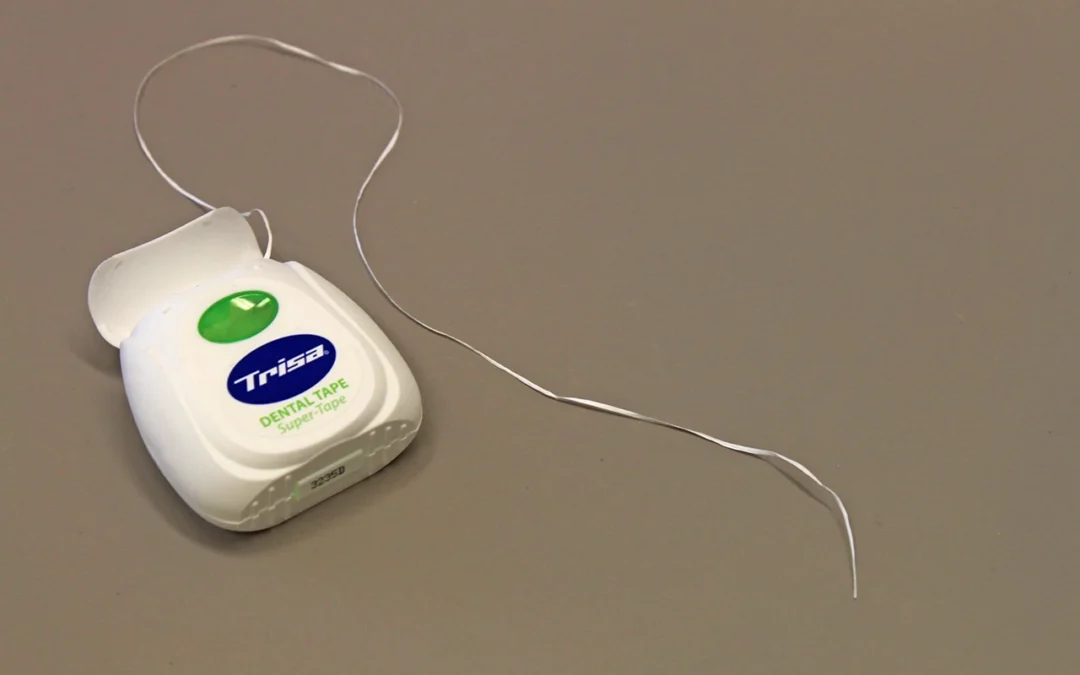
Brushing cleans the front, back, and chewing surfaces of your teeth reasonably well. What it can’t do is reach the tight space between two teeth pressed against each other — and that space is exactly where a large share of cavities and gum disease get started. Flossing exists specifically to clean that gap, which is why it’s treated as a non-negotiable part of dental hygiene rather than an optional extra.
A surprising number of people floss inconsistently, incorrectly, or with the wrong tool for their situation. Getting each of those right matters more than most people assume.
How Often Should You Floss?
Once a day is the standard recommendation, and it holds up for good reason — plaque begins forming in the spaces between teeth within hours of your last cleaning, and daily flossing interrupts that buildup before it has a chance to harden into tartar. How often you should floss comes down to your individual risk factors, but daily is the baseline nearly everyone should aim for. More isn’t necessarily a bad thing and if you want to make it part of your routine to floss after meals, that’s a great practice too. But once a day will get the job done.
How to Floss Correctly
Technique matters as much as frequency. The most common mistake is snapping the floss straight down between teeth, which can injure gum tissue without actually cleaning the surfaces it’s meant to reach.
The correct motion curves the floss into a C-shape against one tooth, then slides it gently up and down along that surface, including just beneath the gumline where plaque tends to accumulate. Repeat the same motion against the neighboring tooth before moving to the next gap, using a clean section of floss each time to avoid redistributing bacteria from one spot to another.
Flossing around dental work like bridges or implants takes a little more care, often using a floss threader or a water flosser to reach beneath and around the restoration.
The Best Tools for Flossing
Traditional string floss remains effective and inexpensive, but it isn’t the only option, and for some patients it isn’t the easiest one to use consistently.
- Floss picks combine a small length of floss with a plastic handle, which makes them easier to maneuver for patients with limited dexterity or difficulty reaching back teeth.
- Water flossers use a pressurized stream of water to dislodge plaque and food particles, and are particularly useful for patients with braces, bridges, or other dental work that makes traditional floss difficult to thread.
- Interdental brushes are small, tapered brushes designed for wider gaps between teeth, often recommended for patients with some degree of gum recession.
The most important factor in choosing a tool isn’t which is technically superior — it’s which one you’ll actually use every day. A water flosser that gets used nightly does more good than string floss sitting unopened in a drawer.
Should You Floss Before or After Brushing?
This comes up often enough to be worth addressing directly, and the short answer is that flossing first has a slight edge. Flossing before brushing loosens debris and plaque from between teeth, which brushing then clears away — and it allows the fluoride in toothpaste to reach interdental surfaces that have already been cleared of buildup.
In practice, the difference between flossing before or after brushing is small compared to the difference between flossing daily and not flossing at all. Consistency matters more than sequence.
Why This Matters Even With a Solid Brushing Routine
Brushing alone removes plaque from roughly 65% of tooth surfaces. The remaining surfaces — the tight contact points between teeth — are exactly where bacteria accumulate undisturbed if flossing isn’t part of the routine. Left alone, that plaque hardens into tartar within two to three days, and tartar can only be removed with professional instruments.
This is part of why patients with excellent brushing habits can still develop cavities or early gum disease specifically in the spaces between their teeth. Brushing and flossing aren’t redundant — they clean different surfaces, and skipping one leaves a real gap in coverage regardless of how well the other is done.
Schedule Your Visit at Tulsa Dental Center
A solid flossing routine makes a real difference, but it works best alongside regular professional cleanings that reach what daily care can’t. Our team at Tulsa Dental Center is here to help you build a routine that actually works for your mouth.
Call (918) 446-6100, email [email protected], or contact us online. We’re located at 4824 S Union Ave, Tulsa, OK 74107.
Frequently Asked Questions About Flossing
Why do my gums bleed when I floss?
Bleeding usually means inflammation from plaque buildup along the gumline, often because flossing hasn’t been consistent recently. In most cases, the bleeding decreases and stops within a week or two of flossing daily, as the gum tissue heals and inflammation subsides. Bleeding that persists beyond that should be evaluated by a dentist.
Is flossing really necessary if I brush well?
Yes. Brushing cleans the front, back, and chewing surfaces of teeth effectively, but it can’t reach the tight contact points between teeth where plaque accumulates undisturbed. Flossing is the only routine tool that reaches that space, which is why it’s considered essential rather than optional.
Can flossing damage my gums?
Aggressive or incorrect technique can irritate gum tissue, particularly snapping the floss down too hard between teeth. Gentle, consistent pressure using the proper C-shape technique cleans effectively without causing damage, and any initial sensitivity from starting a new flossing habit typically resolves within a couple of weeks.
What happens if I never floss?
Plaque left undisturbed between teeth hardens into tartar within a few days, and tartar can only be removed professionally. Over time, this significantly increases the risk of cavities between teeth and gum disease, both of which tend to develop specifically in the areas a toothbrush can’t reach.
Is it bad to skip flossing one day?
Missing a single day occasionally isn’t significant on its own. The concern is a consistent pattern of skipping, since plaque accumulation compounds day over day in the same spots — typically between teeth and along the gumline — eventually leading to tartar buildup in exactly those areas.
Recent Comments