
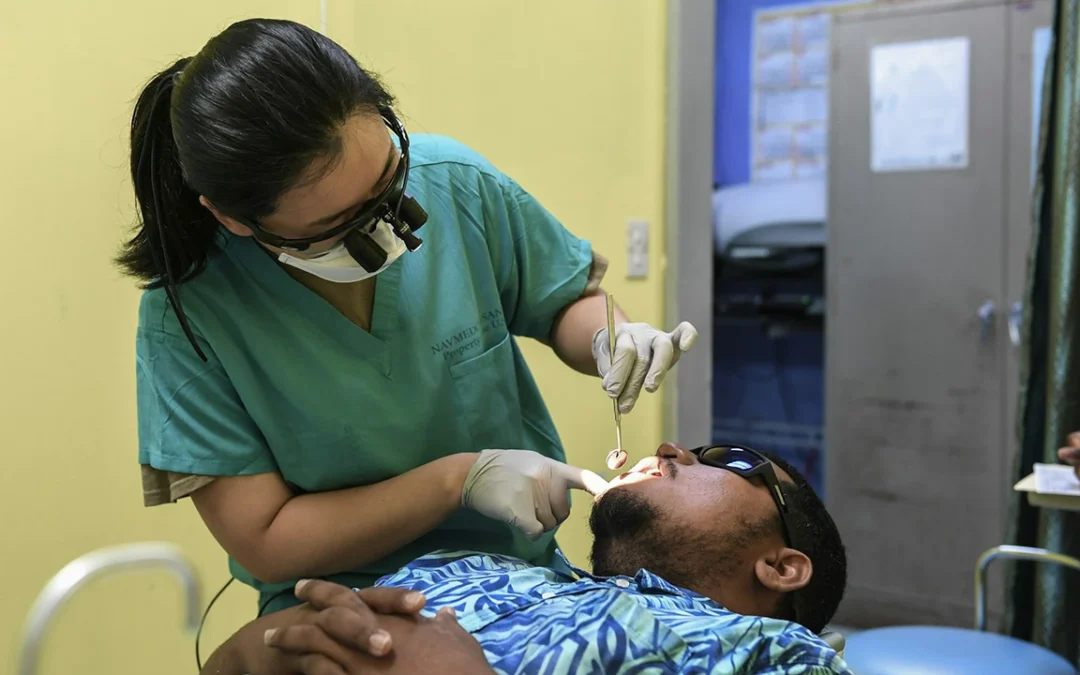
Your smile deserves consistent attention, but determining the right schedule for dental visits can feel confusing with so much conflicting advice out there.
Most dental professionals recommend visiting the dentist every six months for routine checkups and cleanings. This twice-yearly schedule has become the gold standard for preventative dental care, helping millions of people maintain healthy teeth and gums throughout their lives. However, your individual needs might call for more frequent visits depending on your oral health status, medical history, and risk factors.
The Six-Month Standard Explained
The recommendation to see your dentist twice a year isn’t arbitrary—it’s based on decades of dental research and clinical experience. During these regular intervals, dental professionals can identify early signs of problems before they become serious issues requiring extensive treatment.
Regular checkups allow your dentist to monitor changes in your oral health over time. Small cavities can be spotted and treated before they require root canals. Gum disease can be caught in its earliest stages when it’s still reversible. Even oral cancer screenings performed during routine visits have saved countless lives by detecting abnormalities early.
Most dental insurance plans cover two preventative visits per year because insurance companies recognize that prevention costs far less than treatment. When you skip regular checkups, you’re not just risking your oral health—you’re potentially setting yourself up for more expensive procedures down the road.
Factors That Influence Your Ideal Checkup Schedule
Not everyone fits neatly into the six-month mold. Your dentist might recommend more frequent visits if you have certain risk factors or existing conditions.
You may need to visit the dentist more often if you have:
- Gum disease – Patients with periodontal issues often need cleanings every three to four months. Gum disease doesn’t follow a predictable pattern, and more frequent professional intervention helps keep inflammation under control and prevents bone loss around your teeth.
- Pregnancy – Hormonal shifts during pregnancy can make gums more sensitive and prone to inflammation, a condition called pregnancy gingivitis. Expecting mothers often benefit from an additional checkup to address these temporary changes and ensure both mom and baby stay healthy.
- Tobacco use – Smokers and tobacco users face significantly higher risks for gum disease, tooth decay, and oral cancer. If you use tobacco products, your dentist will likely recommend more frequent visits to monitor for early warning signs and provide more aggressive preventative care.
- Diabetes – Diabetics need to pay special attention to their oral health because diabetes and gum disease have a bidirectional relationship—each condition can make the other worse. Managing your blood sugar becomes easier when your gum disease is under control, making regular dental visits even more critical.
- Weakened immune system – Conditions like HIV/AIDS, cancer treatment, or autoimmune disorders can affect your oral health and require closer monitoring.
- History of cavities – If you’re prone to tooth decay, more frequent fluoride treatments and checkups can help prevent new cavities from forming.
Different Life Stages, Different Needs
Your dental care requirements change as you move through different phases of life. What works for a teenager won’t necessarily be appropriate for a senior adult.
Children and Early Development
Children should start seeing the dentist around their first birthday or when their first tooth appears. These early visits establish good habits and allow the dentist to monitor jaw development and tooth eruption patterns. Most children do well with checkups every six months, though some with higher cavity risk might need more frequent fluoride treatments.
Teenagers and Orthodontic Care
Teenagers going through orthodontic treatment require different care schedules. While they still need their regular dental checkups, they’ll also have frequent orthodontist appointments to adjust braces or monitor aligner progress. Teens with braces often benefit from more frequent cleanings because food particles and plaque accumulate more easily around brackets and wires.
Adults in Peak Health Years
Adults typically stick to the standard six-month schedule during their peak health years. However, life gets busy, and it’s tempting to push appointments back when you feel fine. This is precisely when problems can develop unnoticed—cavities don’t announce themselves until they’re already significant.
Seniors and Age-Related Changes
Older adults often need more frequent dental care as aging brings new challenges:
- Medications can cause dry mouth, dramatically increasing cavity risk
- Receding gums expose tooth roots that are more vulnerable to decay
- Existing dental work requires monitoring for wear and failure
- Chronic health conditions may affect oral health and healing
- Physical limitations might make thorough home care more difficult
Your dentist can adjust your checkup frequency to match your changing needs at each stage of life.
What Actually Happens During a Checkup
Understanding what your dentist looks for during routine visits helps explain why regular appointments matter so much. Professional cleanings remove tartar buildup that your toothbrush can’t touch, no matter how diligently you brush at home.
Your dental hygienist will carefully clean each tooth surface, getting below the gum line where bacteria accumulate. They’ll measure the depth of the spaces between your teeth and gums, looking for signs of periodontal disease. These measurements create a baseline that helps track changes over time.
During your examination, your dentist will:
- Check your bite alignment and jaw joints for signs of grinding or clenching
- Inspect all existing dental work for wear, cracks, or signs of failure
- Examine soft tissues in your mouth, throat, and neck for abnormalities
- Assess gum health and look for signs of periodontal disease
- Screen for oral cancer by examining your tongue, cheeks, and throat
- Review X-rays to detect cavities between teeth, bone loss, or impacted teeth
This comprehensive approach catches problems at stages when treatment is simpler and less expensive. A small filling costs a fraction of what you’d pay for a root canal and crown, and early gum disease treatment is far less invasive than the deep cleanings or surgery required for advanced periodontal disease.
Warning Signs You Need to Schedule a Visit Sooner
Even with regular checkups scheduled, certain symptoms warrant an immediate call to your dentist rather than waiting for your next appointment.
Contact your dentist right away if you experience:
- Persistent bleeding gums – While some bleeding during flossing might occur if you’ve been lax about your routine, continuous bleeding that persists beyond a day or two suggests inflammation that needs professional attention.
- Tooth pain or sensitivity – Discomfort that doesn’t resolve on its own typically indicates decay, a crack, or an exposed nerve. Waiting until your next scheduled appointment when you’re experiencing pain only allows the problem to worsen.
- Loose teeth – Adult teeth should never feel loose. This can indicate advanced gum disease, bone loss, or other serious conditions that require immediate intervention.
- Swollen or tender gums – Gums that are puffy, red, or painful to touch signal infection or inflammation that won’t improve without treatment.
- Mouth sores that won’t heal – Any sore, lump, or unusual patch of white or red tissue that doesn’t heal within two weeks needs evaluation. These could be signs of oral cancer, and early detection dramatically improves treatment outcomes.
- Chronic bad breath – If brushing and flossing don’t eliminate persistent bad breath, it might indicate gum disease or another underlying condition.
Don’t ignore these warning signs hoping they’ll resolve on their own. Early intervention prevents minor issues from becoming major problems.
The True Value of Preventative Care
Regular dental checkups save money in the long run, even when you factor in the cost of twice-yearly visits. Preventative care costs significantly less than restorative work. A cleaning and exam might cost $150-300, while a crown can easily run $1,000-1,500 or more.
Beyond the financial aspect, preventative care preserves your natural teeth. Every filling, crown, or extraction represents irreversible change to your natural tooth structure. The more you can prevent through regular care, the longer your natural teeth will last.
Your overall health benefits from consistent dental care too. Research continues to strengthen the connection between oral health and systemic conditions like heart disease, stroke, and diabetes. Bacteria from gum disease can enter your bloodstream, potentially contributing to inflammation throughout your body. Keeping your mouth healthy through regular checkups may actually help protect your cardiovascular system and overall wellbeing.
Creating Your Personal Dental Care Schedule
The answer to how often you should go to the dentist starts with the six-month standard but becomes personalized based on your unique situation. Have an honest conversation with your dentist about your risk factors, oral hygiene habits, and any concerns you have about your teeth or gums.
If cost is preventing you from keeping regular appointments, discuss payment options with your dental office. Many practices offer payment plans or membership programs that make preventative care more affordable. Some offer discounts for patients without insurance who pay in full at the time of service.
Don’t let anxiety about dental visits keep you away. Modern dentistry offers numerous comfort options, from local anesthesia to sedation dentistry, that make even complex procedures manageable for anxious patients.
Keep Your Smile Healthy with Tulsa Dental Center
Your oral health deserves consistent, professional attention. At Tulsa Dental Center, Dr. Joanna Roulston and her experienced team provide comprehensive dental care in a comfortable, welcoming environment. Whether you need a routine checkup, have missed several appointments, or want to discuss a personalized care schedule based on your unique needs, we’re here to help.
We understand that every patient has different oral health needs, and we tailor our recommendations accordingly. Our preventative care approach focuses on keeping your teeth and gums healthy for life through regular monitoring and early intervention when needed.
Call Tulsa Dental Center at (918) 446-6100 to schedule your appointment today. Let us help you maintain a healthy, beautiful smile with a checkup schedule designed specifically for you.
Recent Comments