
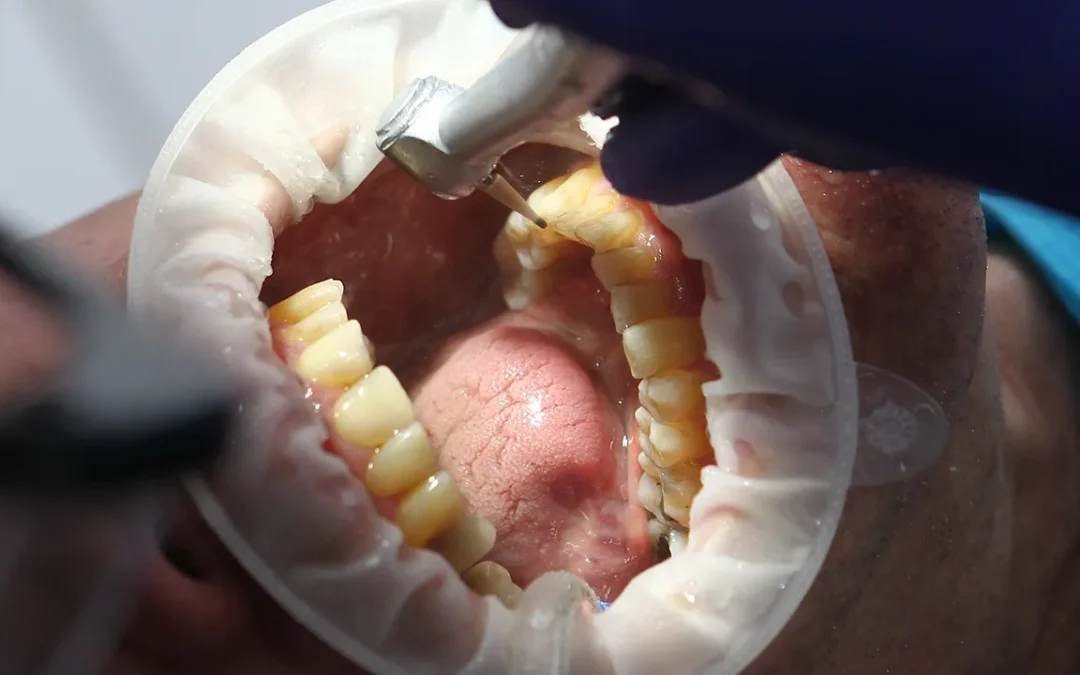
Most people imagine cavities as large, painful black holes in their teeth. The reality is far different—and far more deceptive. By the time you can easily see a dark cavity, significant damage has already occurred to your tooth’s structure.
Understanding what cavities actually look like at their earliest stages gives you the power to catch decay when treatment is simplest and least invasive.
The Earliest Visual Sign: White Spot Lesions
The very first sign of a developing cavity doesn’t look threatening at all. The earliest visible indication is a chalky white spot on your tooth’s surface—what dentists call a “white spot lesion” or incipient carious lesion.
These white patches signal demineralization, the process where acids produced by plaque bacteria strip essential minerals from your tooth enamel. At this stage, the decay hasn’t created a hole yet, and remarkably, the damage can sometimes be reversed through fluoride treatments and improved oral hygiene.
The challenge? These spots are completely painless and incredibly easy to overlook, especially on back molars where they’re hidden from view. They blend in with your natural tooth color and won’t feel rough when you run your tongue over them. Most people only discover them when a dentist spots them during a routine examination.
How Cavities Progress: From White to Brown to Black
Once demineralization advances beyond the initial white spot stage, the cavity’s appearance transforms dramatically. The white areas gradually take on yellow or light brown tones as bacteria continue eroding the enamel. Brown or black discoloration typically signals more advanced decay that has penetrated deeper into the tooth structure.
This color change happens for a specific reason. As the cavity breaks through the protective enamel layer and reaches the softer dentin underneath, the affected area becomes more porous and begins absorbing stains from food, drinks, and bacterial byproducts. Coffee, tea, and dark-colored beverages intensify the discoloration.
At this intermediate stage, you might notice the spot has a slightly rougher texture than surrounding enamel. Some cavities develop visible pits or small holes where the tooth structure has completely broken down. The decay may feel sticky when touched with a dental instrument—a technique dentists use to confirm cavity presence.
Dark brown or black cavities represent significant structural damage. The darker the discoloration, generally the deeper and more extensive the decay. However, not all dark spots are active cavities—sometimes a lesion that appears brown and shiny indicates decay that has stopped progressing but left a permanent stain.
Where Cavities Most Commonly Appear
Cavity location dramatically affects both visibility and risk of progression. The chewing surfaces of molars and premolars contain deep grooves and pits that trap food particles and bacteria, making them prime real estate for decay. These tiny crevices can be so narrow that even toothbrush bristles cannot effectively clean them.
Between your teeth represents another high-risk zone. These interproximal cavities often go unnoticed for months or years because they develop in areas you simply cannot see when looking in a mirror. The decay typically appears as a shadowy discoloration along the edge of the tooth, sometimes creating a darker wedge shape visible only from certain angles.
Gumline cavities form where your tooth meets your gum tissue—an area where plaque loves to accumulate. These lesions often start as whitish or brown patches at the base of the tooth. As gums recede with age, the exposed root surface becomes especially vulnerable since it lacks the protective enamel layer found on the crown.
Front teeth can develop cavities too, though less frequently than molars. When decay does occur on visible front teeth, it tends to be more noticeable—appearing as discolored patches or spots that don’t disappear with brushing.
Physical Signs Beyond Color Changes
Sometimes you’ll feel a cavity before you see it. Running your tongue across your teeth might reveal a rough patch, a sharp edge, or even a small crater where smooth enamel should be. These textural changes indicate that decay has progressed to the point of creating actual structural damage.
Temperature sensitivity often serves as an early warning. Sharp pain when consuming hot, cold, or sugary foods frequently signals enamel erosion or dentin exposure—hallmarks of developing decay.
Pain when chewing or biting down suggests deeper involvement.
Persistent bad breath or a metallic taste can also indicate cavity presence. Bacteria trapped inside decaying tooth structure produce foul-smelling compounds that thorough brushing may not eliminate. If you notice breath issues that don’t resolve with improved oral hygiene, hidden decay could be the culprit.
Understanding What You Can’t See
Many cavities remain completely invisible to the naked eye, regardless of how carefully you examine your teeth. Decay between molars, underneath existing fillings, or in the deep grooves of chewing surfaces often progresses silently until symptoms develop. Dental x-rays reveal these hidden cavities as dark shadows or spots where healthy tooth structure should appear solid and bright white.
On radiographic images, healthy enamel appears dense and light-colored because x-ray beams cannot easily penetrate it. Cavities show up as darker areas because the decayed portion has lost mineral density, allowing x-rays to pass through more readily. The darker and larger the shadow, the more extensive the decay.
This is precisely why regular dental checkups prove so valuable—your dentist can identify cavities at stages when home detection would be impossible.
Why Early Detection Matters
The difference between catching a cavity at the white spot stage versus waiting until pain develops can mean the difference between a simple fluoride treatment and a root canal. Early-stage decay confined to enamel can sometimes be remineralized and stopped. Once bacteria break through to dentin, the softer inner layer, decay accelerates rapidly.
According to the Centers for Disease Control and Prevention, nearly all adults (96%) ages 65 and older have had a cavity in their permanent teeth. But catching them early dramatically reduces treatment complexity and cost.
Left untreated, cavities don’t just stay small—they grow progressively larger, potentially reaching the tooth’s pulp where nerves and blood vessels reside. At that point, the infection can cause severe pain and may require root canal therapy or even extraction.
What to Do If You Spot Warning Signs
If you notice any suspicious discoloration, rough spots, or sensitivity in your teeth, schedule a dental examination promptly. Even if the area doesn’t hurt, early professional evaluation allows for intervention before the problem worsens. Your dentist can determine whether the spot represents active decay, a stain, or arrested decay that no longer poses an active threat.
For confirmed cavities, treatment options vary based on severity. Very early white spot lesions may respond to fluoride varnish applications and improved oral hygiene. Small to moderate cavities typically require tooth-colored fillings to remove decay and restore tooth structure. Advanced decay may necessitate more extensive procedures like crowns or root canals.
Don’t fall into the trap of waiting for pain before seeking treatment. By the time a cavity hurts, it has usually progressed significantly into the tooth’s inner layers.
Protect Your Smile at Tulsa Dental Center
Catching cavities at their earliest stages requires more than vigilance—it requires the trained eye of an experienced dental professional and the diagnostic power of modern imaging technology. At Tulsa Dental Center, Dr. Joanna K Roulston and our caring team use comprehensive examinations and digital x-rays to detect decay long before it becomes a painful problem.
Whether you’ve noticed suspicious spots on your teeth or it’s simply time for your routine checkup, we’re here to help you maintain optimal oral health in a comfortable, welcoming environment right here in Tulsa. Don’t wait for pain to signal a problem that could have been addressed months earlier.
Schedule your appointment today and let us help you preserve your natural smile for years to come.
Frequently Asked Questions About Dental Cavities
What does a small cavity look like?
A small cavity typically appears as a chalky white spot on the tooth’s surface during its earliest stage. As it progresses slightly, the spot may turn light yellow or tan. Very small cavities might be difficult to see without magnification and good lighting, and they often cause no symptoms initially. At this size, the decay is usually confined to the enamel layer and may still be reversible with fluoride treatments and improved oral hygiene.
What does a cavity look like on a molar?
Cavities on molars most commonly appear as brown or black spots in the deep grooves and pits on the chewing surface. Because molars have complex topography with natural crevices, decay often starts in these hard-to-clean areas. You might notice a small dark dot that doesn’t brush away, or the entire groove may appear discolored. Side surfaces of molars can develop cavities too, appearing as brown patches on the cheek or tongue side of the tooth. Molars are particularly susceptible to decay because of their location far back in the mouth, making thorough cleaning more challenging.
What does a cavity look like when it first starts?
When a cavity first starts, it appears as a dull, chalky white patch on the tooth’s surface—distinctly different from your tooth’s natural luster. This white spot indicates demineralization, where acids have begun leaching minerals from the enamel. The area has no hole or pit yet, feels smooth to the touch, and causes no pain or sensitivity. These initial lesions are often impossible to notice without professional examination because they’re subtle and develop in hard-to-see areas. Early detection at this stage offers the best opportunity for reversal without drilling.
What does a cavity look like on x ray?
On x-ray images, cavities appear as dark spots or shadows against the lighter background of healthy tooth structure. Healthy enamel shows up bright white because of its dense mineral content, which blocks x-ray penetration. Decayed areas have lost mineral density, allowing x-rays to pass through more easily, creating darker regions on the image. Small cavities may appear as faint triangular shadows, while larger cavities show as more obvious dark areas. Decay between teeth often presents as a cone or wedge-shaped shadow. X-rays can reveal cavities invisible to visual examination, especially those forming between teeth or beneath existing fillings.
What does a bad cavity look like?
A bad cavity presents as a large, dark brown or black area with a visible hole or crater in the tooth. The affected area appears significantly discolored compared to surrounding tooth structure, and the hole may be deep enough to trap food particles. Advanced cavities often have rough, jagged edges and may extend across a substantial portion of the tooth’s surface. You might see dark discoloration spreading from the main cavity site. Severely decayed teeth can appear hollowed out, with large sections of structure missing. Bad cavities typically cause significant pain, especially when eating or drinking, and the tooth may feel extremely sensitive to temperature changes.
What does a cavity filling look like?
A cavity filling’s appearance depends on the material used. Tooth-colored composite resin fillings blend seamlessly with natural tooth structure, appearing as a slightly lighter or darker shade that closely matches your enamel. These fillings have a smooth, polished surface that’s difficult to distinguish from the surrounding tooth. Traditional silver amalgam fillings appear as metallic gray or silver patches on the tooth, clearly visible when you open your mouth. On x-rays, fillings show up as bright white areas that are denser than natural tooth structure. Over time, fillings may develop slight discoloration at their margins or show wear on chewing surfaces, but properly maintained fillings should remain smooth and intact.
Recent Comments