
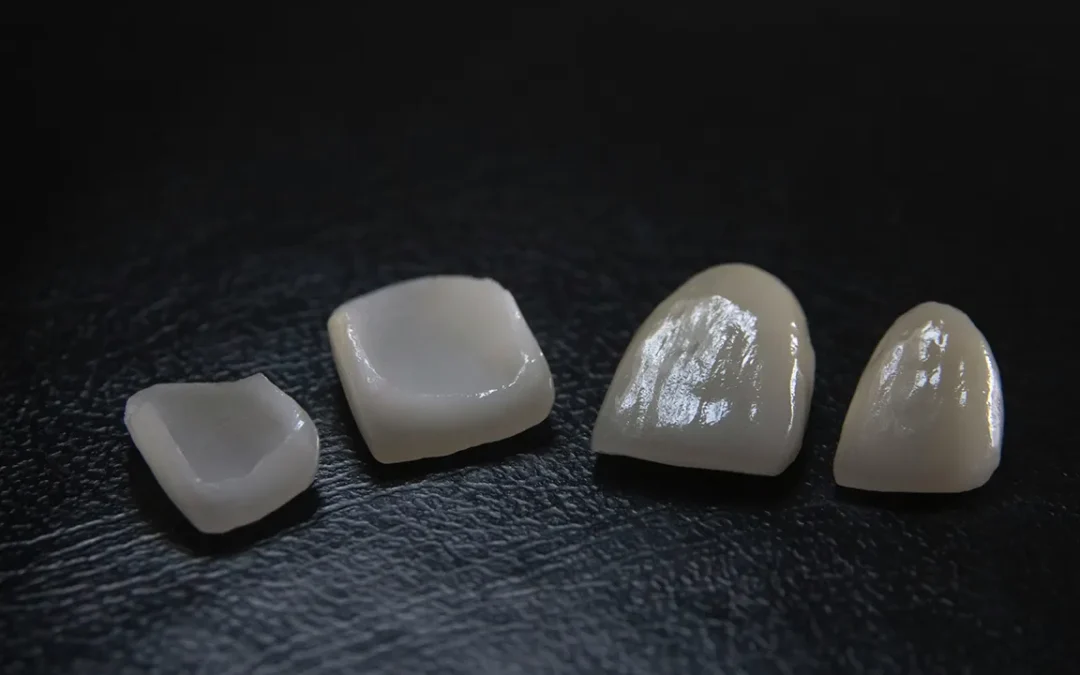
Dental veneers represent one of the most transformative cosmetic dental treatments available, but understanding the investment involved helps you make an informed decision about your smile makeover. The question “how much do veneers cost” doesn’t have a simple answer, as multiple factors influence the final price you’ll pay.
Pricing varies significantly based on the type of veneers you choose, your location, and the complexity of your case.
Factors That Influence Veneer Pricing
Type of Veneer Material
The material your dentist uses for your veneers dramatically affects the overall cost. Porcelain veneers, considered the gold standard for cosmetic dentistry, typically command higher prices due to their superior aesthetics and durability.
These custom-crafted restorations require skilled laboratory technicians and multiple appointments, contributing to their premium pricing. Composite resin veneers offer a more budget-friendly alternative, though they may not last as long or provide the same natural appearance as their porcelain counterparts.
The manufacturing process for porcelain veneers involves sophisticated technology and artistic skill, explaining why they cost significantly more than composite alternatives.
Geographic Location and Practice Overhead
Dental costs vary considerably across different regions, with urban areas and affluent neighborhoods typically charging higher fees than rural locations. Practice overhead expenses, including rent, equipment, and staff salaries, directly impact the prices dentists charge for cosmetic procedures.
Metropolitan areas often see veneer costs 20-40% higher than smaller cities due to increased operating expenses and higher demand for cosmetic dental services.
Number of Veneers Required
Most patients don’t require veneers on every visible tooth. The number of veneers needed for your desired outcome significantly impacts your total investment.
A single veneer to repair one damaged tooth costs far less than a complete smile makeover involving 6-10 veneers. Many patients opt for veneers on their upper front six to eight teeth, as these are most visible when smiling and talking.
Some cases require additional teeth to achieve proper symmetry and color matching, which your dentist will discuss during your consultation.
Average Cost Ranges by Veneer Type
Porcelain Veneers
Traditional porcelain veneers typically range from $900 to $2,500 per tooth, depending on your location and the dentist’s experience level. These prices reflect the high-quality materials, laboratory work, and multiple appointments required for proper placement.
The investment includes consultation, tooth preparation, temporary veneers, custom fabrication, and final bonding. Most porcelain veneers last 10-15 years with proper care, making them a long-term investment in your smile’s appearance and your confidence.
Premium porcelain veneers from renowned laboratories may cost even more but offer exceptional aesthetics and durability.
Composite Resin Veneers
Composite veneers generally cost between $200 and $600 per tooth, making them an attractive option for budget-conscious patients. These can often be completed in a single appointment, as your dentist applies and shapes the composite material directly onto your teeth.
While more affordable initially, composite veneers typically need replacement every 4-8 years, depending on your oral habits and maintenance routine.
The lower upfront cost may appeal to patients wanting immediate results, but the long-term value equation differs significantly from porcelain veneers.
No-Prep and Minimal-Prep Veneers
Ultra-thin porcelain veneers, such as Lumineers or other minimal-prep options, often cost between $800 and $2,000 per tooth. These require little to no tooth preparation, preserving more of your natural tooth structure.
The specialized design and manufacturing process for these ultra-thin veneers contributes to their premium pricing, though they offer the advantage of being potentially reversible in some cases.
Additional Costs to Consider
Consultation and Diagnostic Fees
Most cosmetic dental consultations include examination fees, X-rays, and digital imaging to plan your treatment properly. These preliminary costs typically range from $100 to $300 but are sometimes applied toward your treatment fee.
Advanced diagnostic tools like digital smile design or 3D imaging may incur additional charges but provide valuable treatment planning benefits.
Temporary Veneers
While your permanent veneers are being crafted, you’ll likely need temporary veneers to protect your prepared teeth and maintain your appearance. These temporary restorations usually cost $50 to $200 per tooth.
Some practices include temporary veneers in their overall treatment fee, while others charge separately for this service.
Follow-up Care and Adjustments
Post-placement adjustments and follow-up appointments are typically included in your treatment fee, but extensive modifications or repairs may incur additional charges. Most dentists provide a warranty period covering adjustments needed for proper fit and comfort.
Routine maintenance visits help ensure your veneers continue looking their best throughout their lifespan.
Insurance Coverage and Financing Options
Dental insurance rarely covers cosmetic procedures like veneers, as they’re considered elective treatments rather than medically necessary procedures. However, if veneers address functional issues or repair damaged teeth, partial coverage might be available.
Many dental practices offer financing plans or payment options to make veneer treatment more accessible. Third-party financing companies often provide low-interest or interest-free payment plans for qualified patients.
CareCredit, Wells Fargo Health Advantage, and similar medical financing options allow you to spread the cost over months or years, making your smile makeover more manageable financially.
When Veneers Represent Good Value
Longevity and Durability
High-quality porcelain veneers lasting 10-15 years provide excellent value when compared to other cosmetic treatments requiring more frequent replacement. The daily cost over a veneer’s lifespan often equals less than a cup of coffee.
Proper care and maintenance maximize your investment, with many patients enjoying beautiful results for even longer periods.
Comprehensive Smile Improvement
Veneers address multiple cosmetic concerns simultaneously, including discoloration, chips, gaps, minor misalignment, and shape irregularities. The comprehensive nature of veneer treatment often provides better value than multiple separate procedures targeting individual issues.
A single veneer treatment can transform your entire smile’s appearance, potentially eliminating the need for teeth whitening, bonding, and orthodontic treatment.
Confidence and Quality of Life Benefits
While difficult to quantify financially, the confidence boost and improved quality of life many patients experience after veneer treatment adds significant value to the investment. Professional advancement, social confidence, and personal satisfaction contribute to the overall return on your cosmetic dental investment.
Making Veneers More Affordable
Financing and Payment Plans
Most cosmetic dental practices understand that veneer treatment represents a significant investment and offer various financing options to qualified patients. Monthly payment plans can make the cost more manageable while allowing you to begin treatment immediately.
Some practices offer discounts for paying in full or for multiple veneers placed simultaneously.
Timing Your Treatment
Dental practices sometimes offer promotional pricing during slower periods or special events. End-of-year treatment can help maximize insurance benefits and tax advantages if you have health savings account funds available.
Planning ahead allows you to budget properly and take advantage of any available promotions or discounts.
Getting Accurate Cost Estimates
The only way to determine exactly how much veneers will cost for your specific situation is through a comprehensive consultation with a qualified cosmetic dentist. Your individual case complexity, desired outcome, and treatment timeline all influence the final investment required.
During your consultation, ask for a detailed treatment plan outlining all associated costs, financing options, and payment schedules. This transparency helps you make an informed decision about proceeding with treatment.
Understanding the factors affecting veneer costs empowers you to budget appropriately and choose the treatment option that best fits your needs and financial situation. Quality veneers from an experienced cosmetic dentist represent an investment in your appearance, confidence, and long-term oral health.
Ready to learn exactly how much veneers will cost for your unique smile goals? Schedule your comprehensive consultation with Dr. Joanna Roulston at Tulsa Dental Center. Call (918) 446-6100 or visit us at 4824 S Union Ave to discuss your options and receive a personalized treatment plan with transparent pricing.
Recent Comments