
Orthodontics
Orthodontics is the branch of dentistry that corrects the position of the teeth and jaws. It treats problems like crowding, gaps, and bite issues using appliances such as braces and clear aligners to move teeth into better alignment, improving both how a smile looks and how it works.
12–36 mo
Typical treatment time
Age 7
Recommended first orthodontic check-up
$3,000–$10,000+
Cost range before insurance
What Is Orthodontics?
Orthodontics is the area of dentistry focused on diagnosing and correcting teeth and jaws that are out of alignment. The goal is a bite where the teeth fit together properly and a smile where they sit in even, functional positions.
Alignment is about more than appearance. Teeth that are crowded, gapped, or meeting at the wrong angle are harder to clean and wear unevenly over time, so correcting them protects long-term oral health as much as it improves the look of a smile.
How Does Orthodontics Work?
Orthodontics works by applying steady, gentle pressure to the teeth over time. That constant force signals the bone around each tooth to reshape itself — bone dissolves on one side of the tooth and rebuilds on the other, which allows the tooth to move gradually into a new position and stay there.
Braces apply this pressure through brackets and wires, while clear aligners use a series of custom trays that each shift the teeth a small amount. Because the movement relies on living bone slowly remodeling, the process takes months rather than weeks, and pushing it faster than the bone can respond risks damaging the teeth and roots.
What Problems Does Orthodontics Correct?
Orthodontics corrects a range of alignment and bite problems, known collectively as malocclusions. The most common include:
Crowding
Too little room in the jaw for all the teeth, so they overlap, twist, or get pushed out of line. Crowding is one of the most common reasons people seek treatment.
Spacing
Visible gaps between teeth, caused by missing teeth or a mismatch between tooth and jaw size. The gaps can be cosmetic or affect the bite.
Overbite
The upper front teeth overlap too far over the lower front teeth. A deep overbite can wear down the lower teeth and strain the jaw.
Underbite
The lower teeth sit in front of the upper teeth when the mouth closes. It often traces back to how the jaws developed and can affect chewing and speech.
Crossbite
One or more upper teeth close inside the lower teeth rather than outside them. Left alone, a crossbite can cause uneven wear and push teeth out of position.
Open Bite
The upper and lower front teeth do not touch when the back teeth are closed together. It can make biting into food difficult and is sometimes linked to childhood habits like thumb-sucking.
What Are the Benefits of Orthodontic Treatment?
Orthodontic treatment does more than straighten a smile. Correcting alignment delivers benefits that last well beyond the way teeth look:
- Straight teeth are easier to brush and floss, lowering the risk of decay and gum disease
- A corrected bite spreads chewing force evenly and reduces strain on the jaw
- Teeth that meet properly wear down less and are less likely to chip or crack
- Fixing gaps and alignment can improve speech affected by tooth position
- A smile a person feels good about carries real confidence benefits
Because misalignment tends to worsen the problems it causes over the years, treating it also prevents more costly dental work down the road.
What Are the Types of Orthodontic Treatment?
Orthodontic treatment comes in several forms, and the right one depends on the complexity of the case, age, lifestyle, and budget.
Metal Braces
The traditional option: metal brackets bonded to each tooth and connected by a wire. They are effective for even the most complex cases and are usually the most affordable choice.
Ceramic Braces
Work the same way as metal braces but use tooth-colored or clear brackets that blend in. They are less noticeable, though they cost more and can be more fragile.
Lingual Braces
Fixed to the back of the teeth so they are hidden from view. They are fully custom and effective, but cost more and take more effort to keep clean.
Clear Aligners
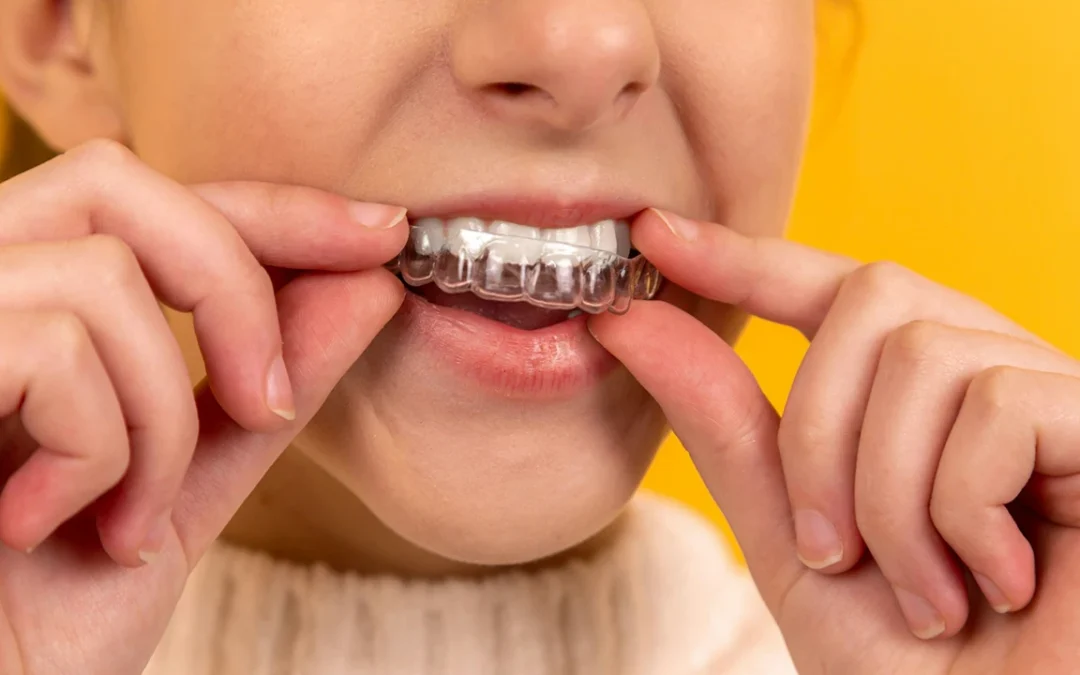
Invisalign and other clear-aligner systems use a series of removable, transparent trays that gradually shift the teeth. Nearly invisible and taken out to eat and brush, they suit mild to moderate cases and depend on the wearer keeping them in most of the day.
Retainers
Worn after active treatment to hold the teeth in their new positions. In some early cases, a retainer can also make minor corrections on its own.
Palatal Expanders
Widen a narrow upper jaw to create room, used mainly in children whose jaws are still developing.
Braces vs. Clear Aligners
Braces and clear aligners are the two options most people weigh, and they reach the same goal in different ways:
| Factor | Braces | Clear Aligners |
|---|---|---|
| Appearance | Visible with metal, subtle with ceramic | Nearly invisible |
| Removable | Fixed in place the whole time | Removable for eating and cleaning |
| Best for | Simple through complex cases | Mild to moderate cases |
| Cleaning | Brush and floss around the brackets | Taken out to brush and floss normally |
| Daily discipline | Always working, nothing to remember | Must be worn 20–22 hours a day |
| Office visits | Regular in-person adjustments | Fewer, periodic check-ins |
Braces handle the widest range of cases with no reliance on the patient remembering to wear them, while clear aligners trade that flexibility for near-invisibility and the freedom to take them out.
What Happens During Orthodontic Treatment?
Orthodontic treatment usually unfolds over several stages across many months. A typical course looks like this:
- Consultation and exam. The provider evaluates the teeth, bite, and jaws and discusses goals and options.
- Records and planning. X-rays, photos, and digital scans or impressions are taken to map out a detailed treatment plan.
- Fitting the appliance. Braces are bonded to the teeth, or the first set of custom aligners is delivered.
- Adjustments. Over the following months, wires are tightened or new aligner trays are swapped in to keep the teeth moving.
- Completion. Once the teeth reach their planned positions, the braces come off or the final trays are finished.
- Retention. A retainer holds the teeth in place so they do not drift back toward where they started.
Orthodontics for Children
Orthodontics for children focuses on catching and guiding problems early, while the jaw is still growing. A first orthodontic check-up is recommended around age 7, when enough permanent teeth have come in to reveal how the bite is developing.
Treating a child does not always mean braces right away. Early, or interceptive, care can use expanders, space maintainers, or habit appliances to steer jaw growth and make room for incoming teeth, which can simplify or even prevent more involved treatment later on.
Orthodontics for Teens
The teenage years are the most common time for orthodontic treatment. By then most or all of the permanent teeth have come in, and the jaw is still developing enough to respond well to treatment.
Teens can be treated with braces or clear aligners, and the choice often comes down to the complexity of the case and how reliably the teen will keep aligners in. Metal and ceramic braces remain popular for this age group because they work without depending on daily discipline.
Orthodontics for Adults
Orthodontics has no age limit, and a growing share of patients are adults correcting issues they never addressed or that shifted over time. Healthy teeth can be moved at any age, though adult treatment has a few key differences.
Because adult jaws are no longer growing, some bite corrections take longer or call for additional steps, and existing dental work like crowns or implants affects the plan. Many adults favor the most discreet options, such as clear aligners, ceramic braces, or lingual braces, so treatment stays low-profile at work and in daily life.
How Much Does Orthodontics Cost?
The cost of orthodontic treatment depends on the type of appliance, how complex the case is, and how long treatment takes. These are typical ranges before insurance:
| Treatment | Typical Cost Range |
|---|---|
| Metal braces | $3,000–$7,000 |
| Ceramic braces | $4,000–$8,000 |
| Clear aligners | $3,000–$8,000 |
| Lingual braces | $8,000–$10,000+ |
Longer, more complex cases sit at the higher end of each range. A consultation with an exam is the only way to get an accurate figure for a specific case.
Does Insurance Cover Orthodontics?
Many dental insurance plans include some orthodontic coverage, but it works differently from the rest of your dental benefits. Orthodontic treatment typically has its own lifetime maximum — a separate, one-time cap that applies per person rather than resetting each year — and plans often pay around half of the cost up to that limit.
Coverage also frequently comes with an age cap, applying only to patients under 18 or 19, so adult orthodontics may not be covered even on a plan that covers it for children. Reviewing the orthodontic section of your specific plan before starting is the best way to know what applies.
Straightening Teeth at Tulsa Dental Center
Whether orthodontic treatment makes sense for you or your child usually comes down to a single evaluation. If you have questions about your options or want to know where your bite stands, our team at Tulsa Dental Center is glad to take a look and walk you through what treatment would involve.
Call (918) 446-6100 or email [email protected]. We’re located at 4824 S Union Ave, Tulsa, OK 74107.
Frequently Asked Questions About Orthodontics
Are braces orthodontics?
Braces are one of the main tools of orthodontics, not a separate thing. Orthodontics is the broader field of correcting tooth and jaw alignment, and braces are one of several appliances — alongside clear aligners, retainers, and expanders — used to do it.
What is preventive orthodontics?
Preventive, or interceptive, orthodontics is early treatment in children that guides jaw growth and tooth position before alignment problems fully develop. It uses appliances like space maintainers, palatal expanders, and habit appliances to reduce or avoid the need for more involved treatment later.
Does Medicaid cover orthodontics?
Medicaid orthodontic coverage varies by state and is generally limited to children, and only when treatment is medically necessary rather than cosmetic — for example, a severe bite problem. Adult orthodontic coverage under Medicaid is rare. Confirm what your state’s program includes.
Does Medicare cover orthodontics?
Original Medicare does not cover routine orthodontic treatment. Some Medicare Advantage (Part C) plans include dental benefits that might contribute, so check the details of your specific plan.
Can you use an HSA for orthodontics?
Yes. Orthodontic treatment is a qualified medical expense, so you can pay for it with a health savings account or a flexible spending account.
How long does orthodontic treatment take?
Most orthodontic treatment takes somewhere between 12 and 36 months, with around two years being typical. The exact timeline depends on the complexity of the case and how consistently the patient follows the plan.
At what age should a child first see an orthodontist?
A first orthodontic evaluation is recommended around age 7. By that age, enough permanent teeth have come in to spot developing bite or spacing issues, even if treatment itself would not begin until later.
What’s the difference between a dentist and an orthodontist?
An orthodontist is a dentist who completed several additional years of specialty training in tooth and jaw alignment. General dentists handle overall oral health and may offer some orthodontic treatment, such as clear aligners, while orthodontists focus exclusively on correcting alignment.
Does orthodontic treatment hurt?
Orthodontic treatment is not usually painful, but it is normal to feel soreness or pressure for a few days after braces are placed or adjusted, or after switching to a new aligner tray. The discomfort is mild and settles on its own.
Do you have to wear a retainer afterward?
Yes. Teeth naturally tend to drift back toward their old positions, so a retainer is needed to hold the results of treatment. Many people wear one nightly over the long term to keep their teeth from shifting.
Recent Comments